






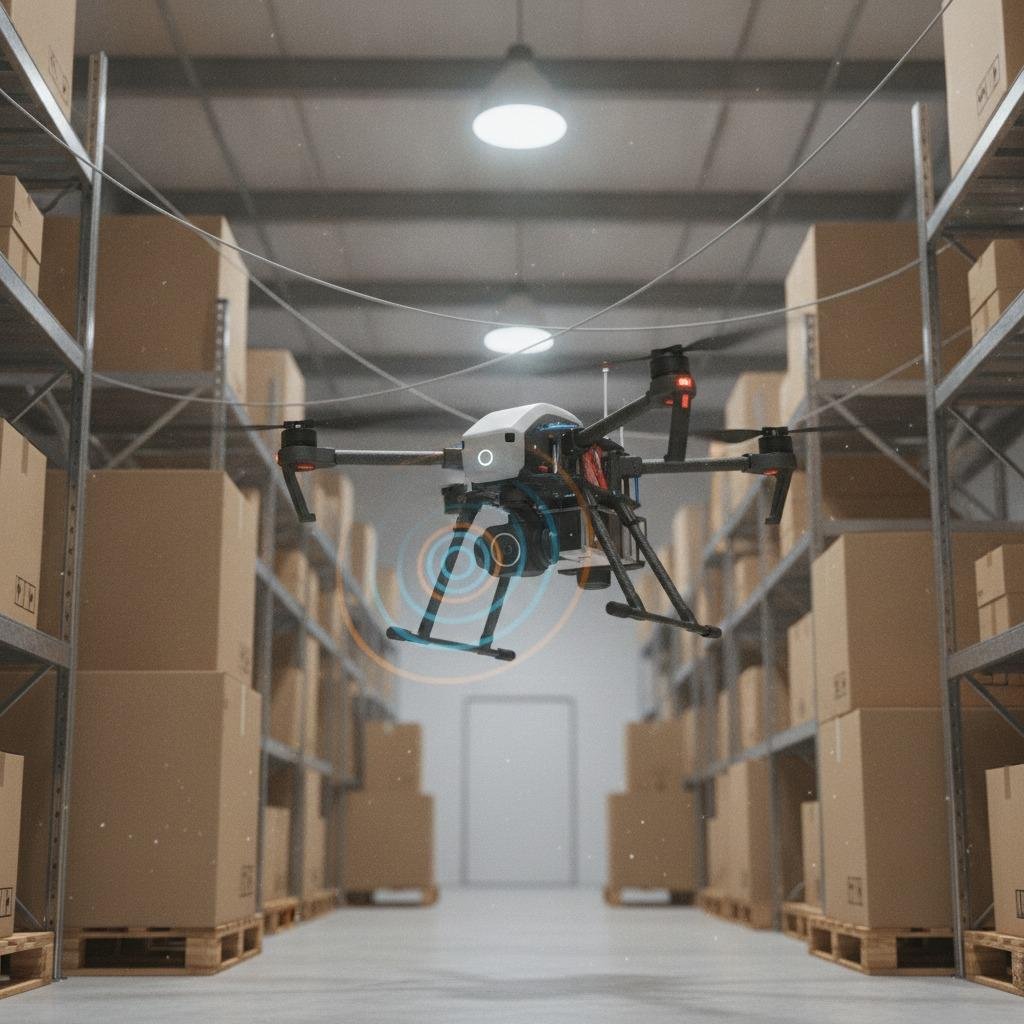
Why drone collision avoidance has moved from nice-to-have to design priority
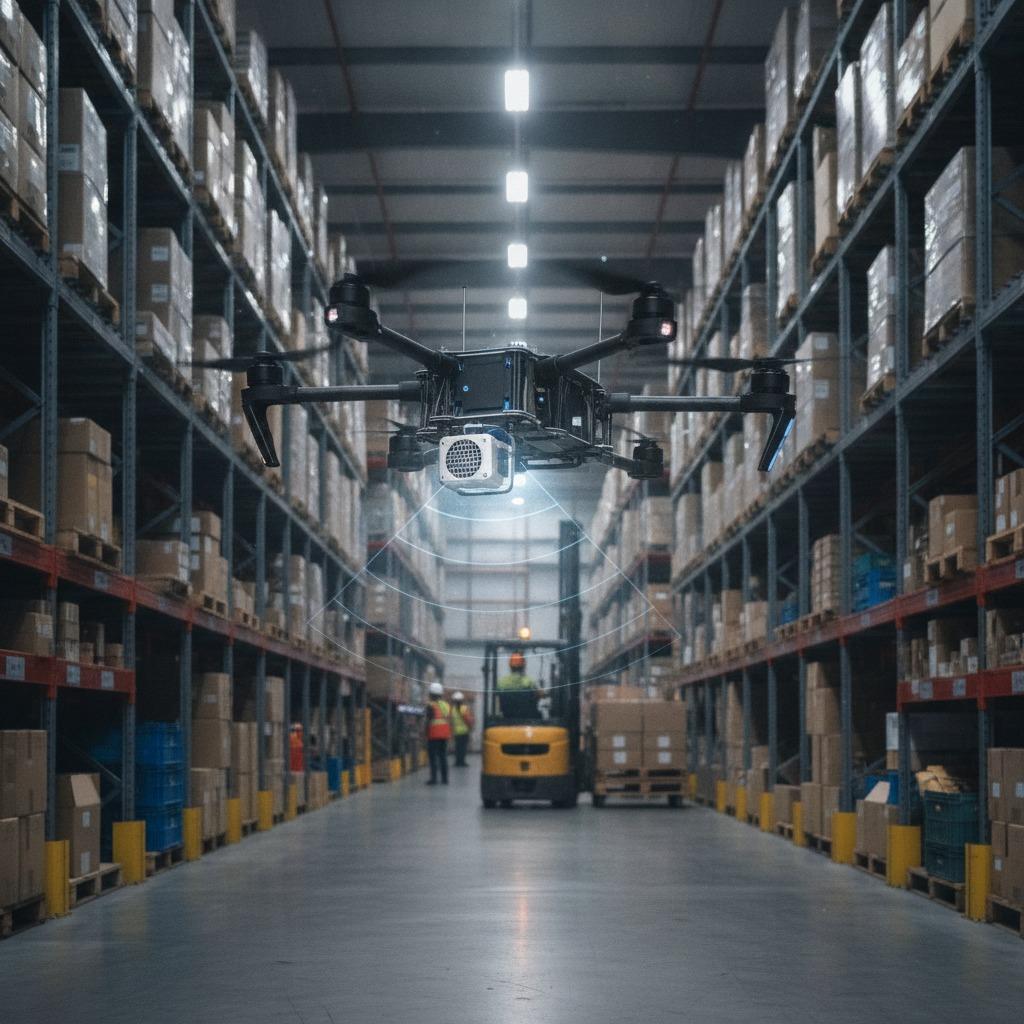
Drone collision avoidance is no longer a feature reserved for premium consumer aircraft. For industrial inspection, warehouse automation, security patrols, mapping, and last-mile experimentation, it is now a basic safety and uptime issue. When a drone misreads a shelf edge, a wire, a tree branch, or another aircraft, the cost is rarely limited to a bent propeller. It can mean lost footage, damaged payloads, interrupted operations, and a hard question from the buyer’s risk team about why the system was not better protected.
That is why engineers and sourcing managers are paying closer attention to the sensing stack behind the flight controller. The real decision is not whether a drone should avoid obstacles. The decision is how it should do it, in what environment, at what weight penalty, and with what level of reliability when lighting, dust, glare, or motion make life difficult for cameras alone.
The core challenge: seeing enough without adding too much weight
A collision avoidance system has to do two things at once. It must detect hazards early enough for the drone to react, and it must do so without adding so much mass, power draw, or integration complexity that the aircraft becomes less useful.
That tradeoff is why many teams compare optical approaches with radar-based options. Cameras can be effective in good light and structured scenes, but they can struggle with low contrast, backlighting, rain, fog, or repetitive textures. A lightweight sensor may help the platform remain agile, yet the sensor still has to provide dependable obstacle detection under real operating conditions, not just in a lab demo.
For that reason, mmWave radar keeps showing up in serious design discussions. It is not a magic answer, and it does not replace flight planning or operator discipline. But it can give the vehicle a more stable view of its surroundings when visual sensors are compromised.
What radar contributes that cameras often cannot
The strongest case for mmWave radar in drone collision avoidance is consistency. Radar does not depend on ambient light in the same way an optical system does. It can contribute useful ranging and motion information even when visibility is poor, which makes it attractive for industrial drones that operate near structures, in partially enclosed areas, or in changing weather.
Range-Doppler mapping is one of the key ideas here. In practical terms, it helps a system separate distance from relative motion, giving the flight computer a better chance of distinguishing a fixed wall from a moving object. That matters when the drone must react quickly and confidently rather than overcorrect or freeze up.
This is also why radar is often discussed as part of a sensor fusion strategy rather than as a single-purpose gadget. The best systems usually combine multiple inputs, because no one sensor covers every edge case.
Quick comparison: where different approaches tend to fit
Cameras and vision-based systems
Good for detail, object recognition, and cost-sensitive applications. Less dependable in low light, glare, and low-contrast scenes.
Ultrasonic sensing
Useful at short range in simple environments. Can be limited by airflow, surface angle, and range.
mmWave radar
Strong for robust obstacle detection, motion sensing, and operation in poor visibility. Usually better suited to demanding industrial use than to the cheapest consumer builds.
The point is not that one technology wins every time. The point is that the operating environment should decide the sensor, not the other way around.
Selection criteria buyers should not skip
When sourcing a collision avoidance module, the first questions should be practical ones. How much payload budget is available? How much processing headroom does the flight stack have? Is the drone expected to fly indoors, outdoors, or both? Are the main hazards wires, people, walls, poles, shelves, or moving machinery?
A few caution points tend to matter more than buyers expect:
The sensor needs a clean mounting position with a real field of view. A strong algorithm cannot fully compensate for poor placement.
Low weight is valuable, but not if it forces a compromise in detection quality or integration reliability.
Range figures can look impressive on paper, yet the more useful question is how the system behaves at the actual reaction distance needed for that airframe.
If the application involves fast motion, tight aisles, or cluttered spaces, ask specifically how the system handles false positives and missed detections. Those are the failures that frustrate operators.
Common mistakes in drone collision avoidance projects
One mistake is assuming a single sensor will solve every obstacle problem. Another is treating obstacle detection as a software-only issue when mechanical placement, EMI considerations, and flight-control timing all affect the result. A third is buying a module based on a headline range claim and discovering that real-world response is less graceful once the payload, enclosure, and power budget are finalized.
There is also a habit in some programs of planning for the ideal flight path instead of the real one. If the drone will operate near reflective surfaces, thin cables, or complex clutter, the sensor choice should reflect that messiness from the start.
What a good buying decision looks like
A sensible drone collision avoidance decision usually comes down to fit. The best solution is the one that matches the aircraft’s mission, weight limit, and operating environment while leaving enough room for control logic to act on the data. For many commercial platforms, that means looking hard at mmWave radar or a radar-vision hybrid if dependable obstacle detection is the goal.
If you are comparing options for a new drone program, start with the mission profile, then map the sensor stack against the hazards. That keeps the conversation grounded in engineering reality instead of feature gloss.
FAQ
Is radar always better than vision?
No. Radar is often more robust in difficult conditions, but vision can be better for classification and detail. Many systems benefit from using both.
Does drone collision avoidance eliminate pilot responsibility?
No. It reduces risk and can improve reaction time, but it is still a support system, not a replacement for operating discipline.
Why does lightweight sensor design matter so much?
Because every gram affects flight time, maneuverability, and payload capacity. In drone design, small mass changes can have outsized effects.
If your team is evaluating sensing options, the next step is to define the real operating environment first, then shortlist technologies that can survive it. That simple discipline often saves a redesign later.