






The Challenge of Traditional Controls in Modern Vehicles
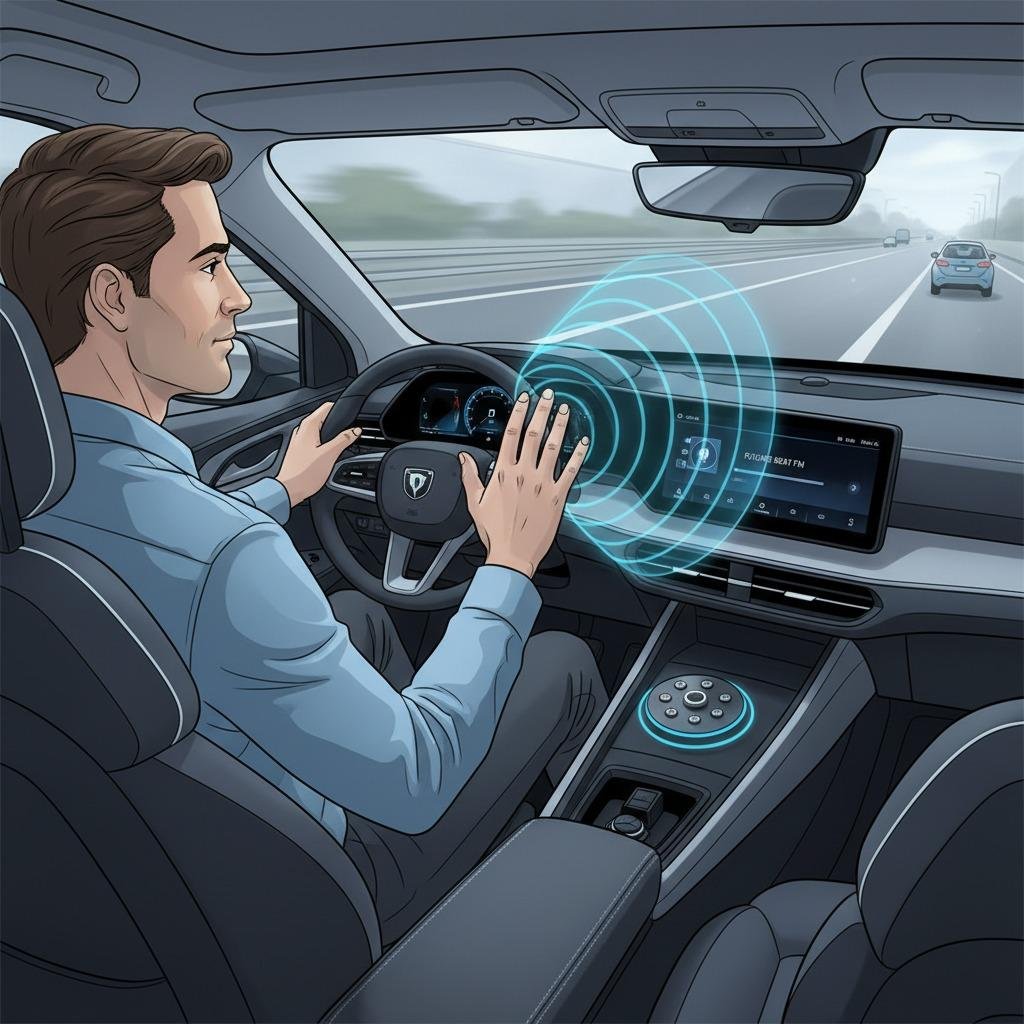
In today's fast-paced driving environments, traditional controls like buttons, knobs, and touchscreens can be distracting and hazardous. Drivers often struggle to keep their eyes on the road while fiddling with infotainment systems, climate controls, or navigation without taking their hands off the wheel for too long. This distraction contributes to a significant portion of road accidents, highlighting the urgent need for safer, more intuitive interaction methods. Enter Gesture Recognition Radar, a groundbreaking technology that addresses these issues by enabling seamless, touchless interactions within vehicles.
Understanding Gesture Recognition Radar Technology
Gesture Recognition Radar utilizes advanced radar sensors, often in the mmWave spectrum, to detect and interpret human gestures with high precision. Unlike camera-based systems that rely on visible light and can be affected by lighting conditions or privacy concerns, radar penetrates non-metallic surfaces and works effectively in low-light or obscured environments. This makes it ideal for in-cabin applications where reliability is paramount. By emitting radio waves and analyzing their reflections, the system can distinguish between subtle hand movements, such as waving to adjust volume or pointing to select a menu option, without physical contact.
Key Features and Benefits of Automotive Gesture Control
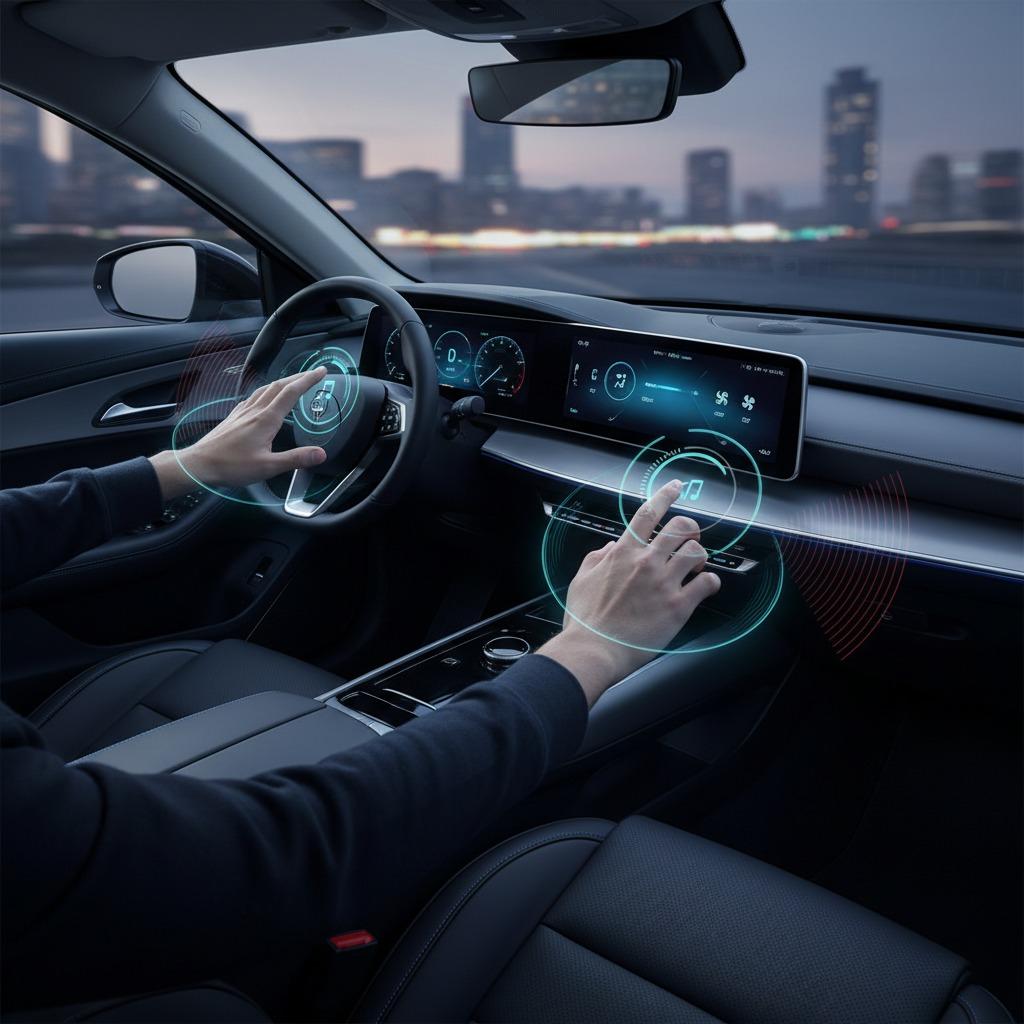
One of the primary advantages of automotive gesture control powered by gesture recognition radar is its ability to reduce driver distraction. Imagine swiping your hand to change radio stations or circling a finger to increase the air conditioning—all without averting your gaze from the road. This touchless approach minimizes the risk associated with glancing at screens or pressing buttons. Furthermore, mmWave Gesture Detection ensures low latency and accuracy, even in a moving vehicle, providing real-time responses that feel natural and responsive. For manufacturers, integrating this technology enhances user experience, potentially increasing customer satisfaction and vehicle safety ratings.
Implementing Touchless Control Radar for In-Cabin Sensing
Deploying touchless control radar involves embedding compact radar modules in dashboards or steering columns, seamlessly blending with existing vehicle architectures. In-cabin gesture sensing via this method not only supports basic commands but can also monitor driver attentiveness, detecting fatigue through gesture patterns or lack thereof. The solution is scalable, applicable to both consumer cars and commercial fleets, and compatible with voice assistants for hybrid control systems. By solving the problem of cumbersome interfaces, gesture recognition radar paves the way for a future where vehicles are more intuitive and safer, ultimately saving lives on the road.
Overcoming Barriers to Adoption
While the benefits are clear, challenges like integration costs and calibration for diverse cabin layouts exist. However, advancements in sensor miniaturization and AI-driven signal processing are making gesture recognition radar more affordable and user-friendly. Automotive gesture control systems can be fine-tuned during manufacturing to recognize user-specific gestures, ensuring broad applicability. As regulations push for enhanced vehicle safety, adopting mmWave gesture detection will become a standard, transforming how we interact with our cars and addressing the core issues of distraction and inaccessibility in one innovative stroke.