






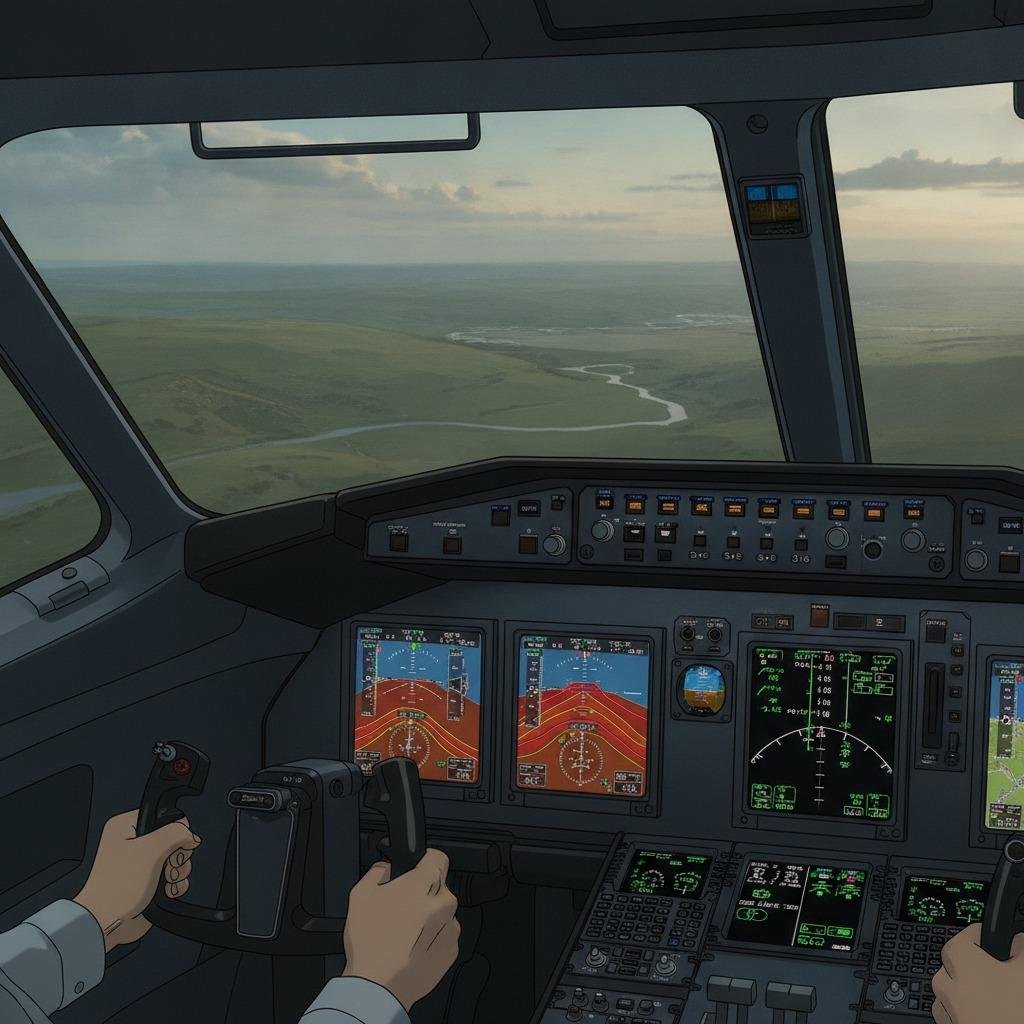
Why ground proximity warning matters in real flight operations
Ground proximity warning is not just a cockpit alert for large transport aircraft; it is part of a broader safety mindset that helps crews and autonomous systems avoid one of aviation’s oldest hazards: controlled flight into terrain. For pilots, UAV integrators, and teams working on rotorcraft or emerging eVTOL platforms, the issue is simple. The aircraft may be functioning perfectly, but if the crew or control system misjudges altitude, descent rate, or the shape of the landing area, the result can still be serious.
That is why terrain clearance monitoring has become a practical design and operations topic rather than a niche avionics feature. The question is no longer whether a warning system is useful. The real decision is how much sensing, logic, and redundancy a given aircraft mission needs, especially when operating close to hills, rooftops, confined pads, or uneven terrain.
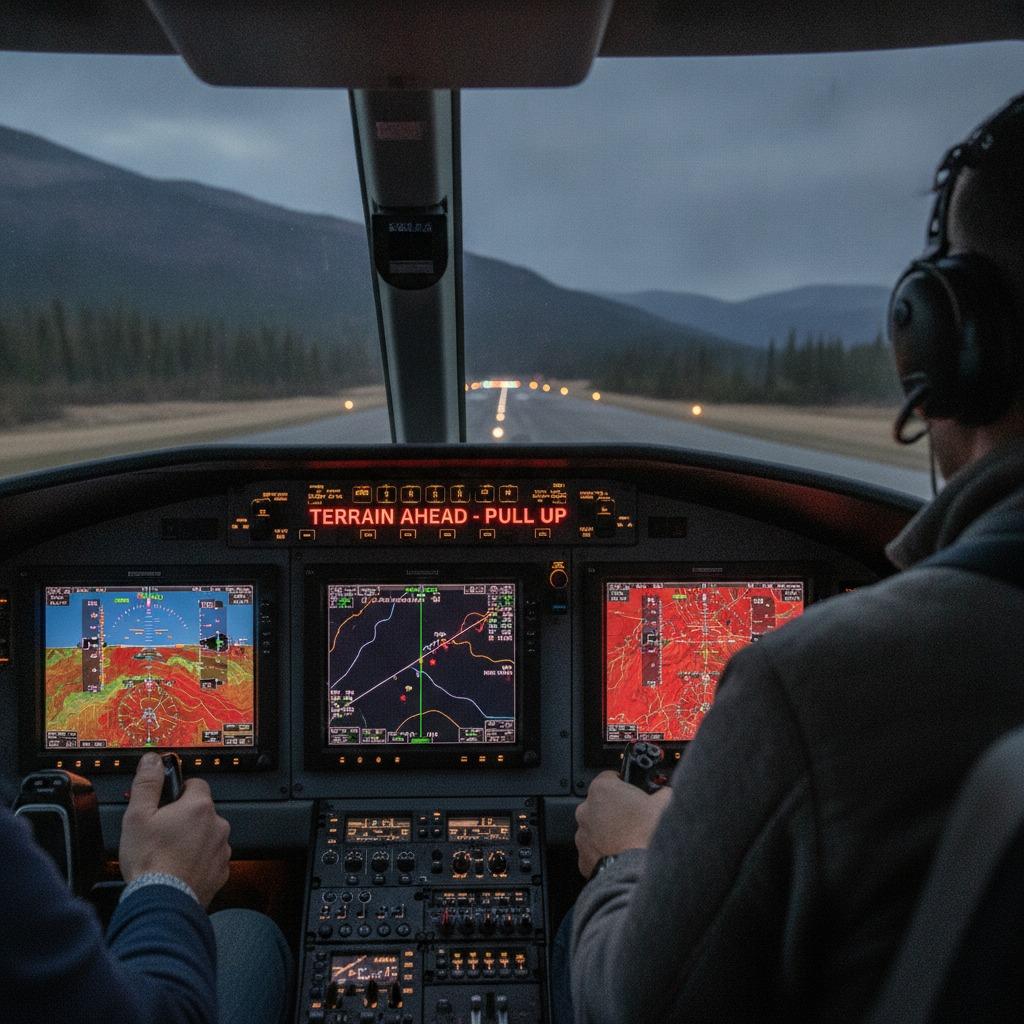
The basic job: keep the aircraft out of the danger zone
At its core, ground proximity warning is meant to answer one question quickly: is the aircraft closing on the ground faster than it should, or in a place where the terrain is not where the pilot expects it to be? In manned aviation, that usually means alerting the crew before descent becomes unsafe. In unmanned systems, it can mean feeding flight-control software with a better picture of altitude, terrain, and landing-zone risk.
Different platforms ask for different levels of sophistication. A fixed-wing aircraft on approach may need predictive alerts tied to glide path and terrain database data. A helicopter, by contrast, often needs better low-altitude awareness in cluttered environments. VTOL aircraft add another layer of complexity because the aircraft may transition from hover to descent in tighter spaces, with changing airflow and less margin for error.
Where terrain clearance monitoring helps most
Terrain clearance monitoring is especially valuable when operators are flying into unfamiliar fields, temporary pads, rugged sites, or urban environments. It is also useful when visibility is poor, workload is high, or the landing zone is only partly prepared. In those conditions, even experienced crews can become overconfident about clearance, particularly if they are focused on obstacles ahead and not the surface immediately below.
One practical caution: altitude data alone can be misleading. A system may know its barometric altitude or GNSS position, yet still miss local terrain rise, slope, or man-made obstructions. That is why buyers should think about how the warning logic combines sensors, mapping, and flight state. A good alert should be timely, but not so noisy that operators start ignoring it.
What to look for in a warning and landing-assist system
1. Predictive logic, not just reactive alarms
The best systems do more than complain when the aircraft is already too low. They estimate closure rate, sink rate, and remaining margin so the crew can correct early. That matters in fast-changing approaches and in low-altitude missions where reaction time is short.
2. Support for VTOL and hover operations
Vertical takeoff and landing (VTOL) support deserves special attention. VTOL aircraft can hover, descend vertically, and transition in ways that fixed-wing systems never have to consider. The warning logic should be able to handle those modes without confusing normal hover behavior with a real hazard.
3. Ground effect detection awareness
Ground effect detection is useful because aircraft performance near the surface can change quickly. Lift, sink, and control response may shift as the machine gets close to the ground, which can complicate landing. A system that understands this zone can help avoid awkward flare timing or unstable descents.
4. Safe landing site selection assistance
For autonomous and semi-autonomous platforms, safe landing site selection is becoming a serious design criterion. The system may need to reject surfaces that are too sloped, too rough, obstructed, or too uncertain. In practice, that means linking proximity warning with landing-zone assessment rather than treating them as separate features.
Common mistakes buyers make
The biggest mistake is assuming every aircraft can use the same warning logic. A small UAV flying inspection routes has very different needs from a rotorcraft working offshore or an eVTOL expected to land on compact pads. Another common error is overreliance on a single data source. If the system depends too heavily on one sensor or one map layer, it may fail in exactly the kind of degraded environment where ground proximity warning matters most.
There is also a procurement trap here: teams sometimes specify the alert function but forget the human side. If the warning is hard to interpret, poorly prioritized, or buried in a busy interface, the safety value drops fast. Engineers and sourcing managers should ask how the alert is presented, how it behaves during different phases of flight, and whether it can be tuned for the mission profile.
A practical buying checklist
When comparing systems, start with the mission: fixed-wing, helicopter, UAV, or VTOL. Then look at altitude sensing, terrain data integration, alert timing, and the ability to distinguish normal low-altitude operations from genuine threat conditions. If the aircraft will operate in changing terrain or close to structures, ask how the system handles map freshness and local elevation variation. If it will support automated landings, ask how ground proximity logic interacts with landing-site selection and descent control.
That last point is worth underlining. A warning system should not merely shout at the crew. It should fit into the whole operational chain, from route planning to final touchdown.
FAQ: quick answers for engineering and sourcing teams
Is ground proximity warning only for large aircraft?
No. The underlying safety need exists across aircraft sizes, though the implementation changes with mission and platform.
Does terrain clearance monitoring replace pilot judgment?
Not at all. It supports judgment, especially when workload, visibility, or landing conditions reduce margin for error.
Why is VTOL support different?
Because VTOL aircraft operate in hover and vertical descent regimes, where traditional fixed-wing logic may not be enough.
Should autonomous aircraft use the same landing logic as manned aircraft?
They should use compatible safety principles, but the sensor fusion and decision thresholds often need to be different.
What teams should do next
For product teams and sourcing managers, the next step is usually to define the operating envelope first: altitude, terrain type, landing environment, visibility, and autonomy level. Once that is clear, it becomes easier to compare ground proximity warning options without getting distracted by feature lists that sound impressive but do little for the actual mission.
If you are designing for low-altitude work, irregular sites, or VTOL operations, treat the warning function as part of the landing architecture, not a bolt-on alarm. That approach is more demanding up front, but it tends to pay off when the aircraft is close to the ground and there is no room for second guesses.