






Challenges of efficient perception in drone operations
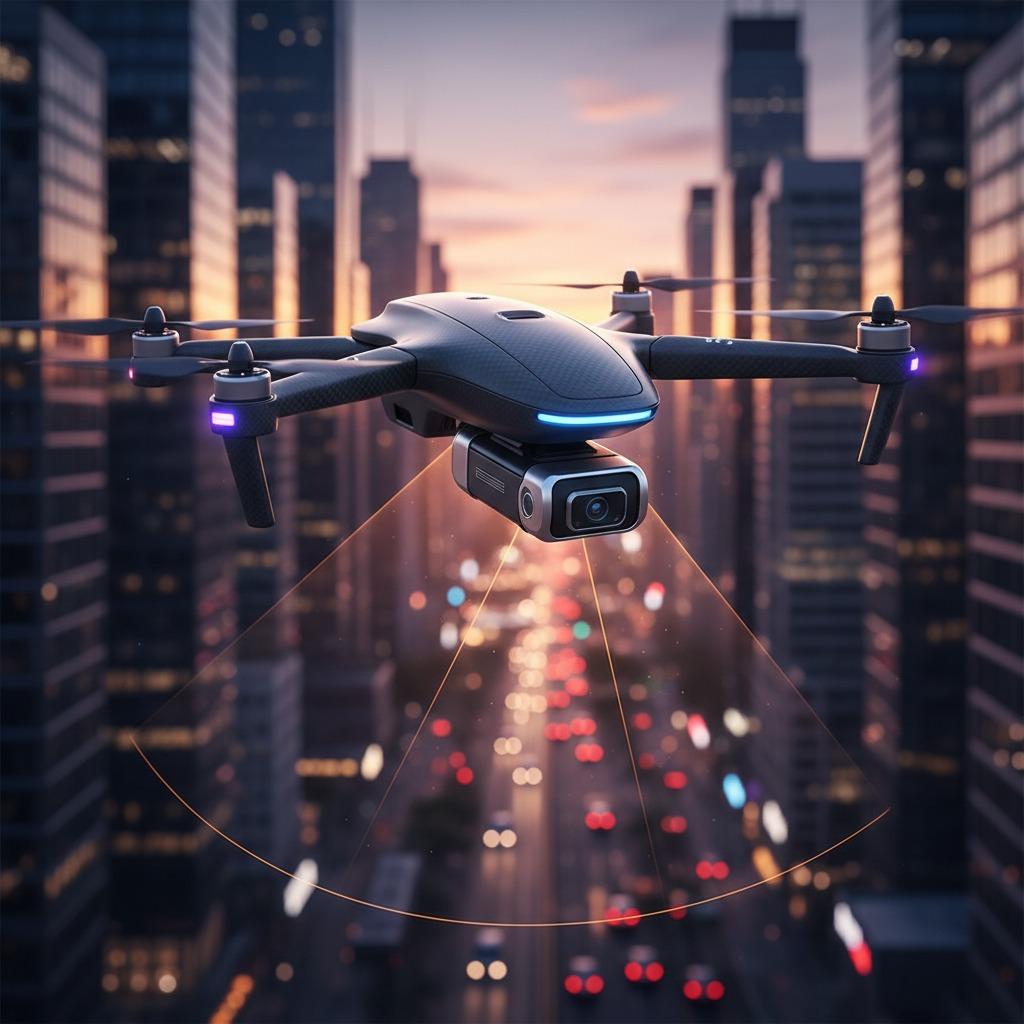
In the rapidly evolving field of UAV (Unmanned Aerial Vehicle) technology, a long-standing problem stands out: how to develop a detection system that is both reliable and does not compromise UAV performance. Traditional sensors typically add excessive weight, consume too much power, and limit flight range, making it difficult for UAVs to effectively perform tasks such as surveillance, mapping, or obstacle avoidance. The emergence of lightweight sensors has fundamentally changed this situation, providing a compact solution that can be seamlessly integrated into UAV systems without adding to their design burden.
Solving weight limitation problem by integrating millimeter-wave radar
A key issue with many sensing technologies is their bulkiness, which reduces the flight time and payload capacity of drones. Millimeter-wave radar, as a high-frequency solution, can be perfectly integrated with lightweight sensors to provide accurate environmental perception. Unlike bulky alternatives such as lidar, millimeter-wave radar operates in the millimeter-wave frequency band, maintaining stable performance even in adverse weather conditions while minimizing system weight. By integrating lightweight sensors powered by millimeter-wave radar, drone operators can improve fuel efficiency and extend mission duration, thus solving the balance between detection capabilities and maneuverability.
Unlock high resolution and distance Doppler functionality
Another common challenge is acquiring detailed, real-time data for navigation and target tracking in dynamic environments. High-resolution imaging technology in lightweight sensors addresses this challenge by enabling precise detection of objects at varying distances. Combined with range-Doppler processing, this sensor technology can simultaneously map the range and velocity of targets, crucial for applications such as collision avoidance in drones. For example, range-Doppler maps generated by millimeter-wave radar help drones distinguish between stationary obstacles and fast-moving targets, preventing accidents and improving operational safety. This integration not only solves visibility problems in cluttered or low-light environments but also improves data accuracy, making this lightweight sensor an indispensable component of advanced drone missions.
Practical solutions for drone deployment
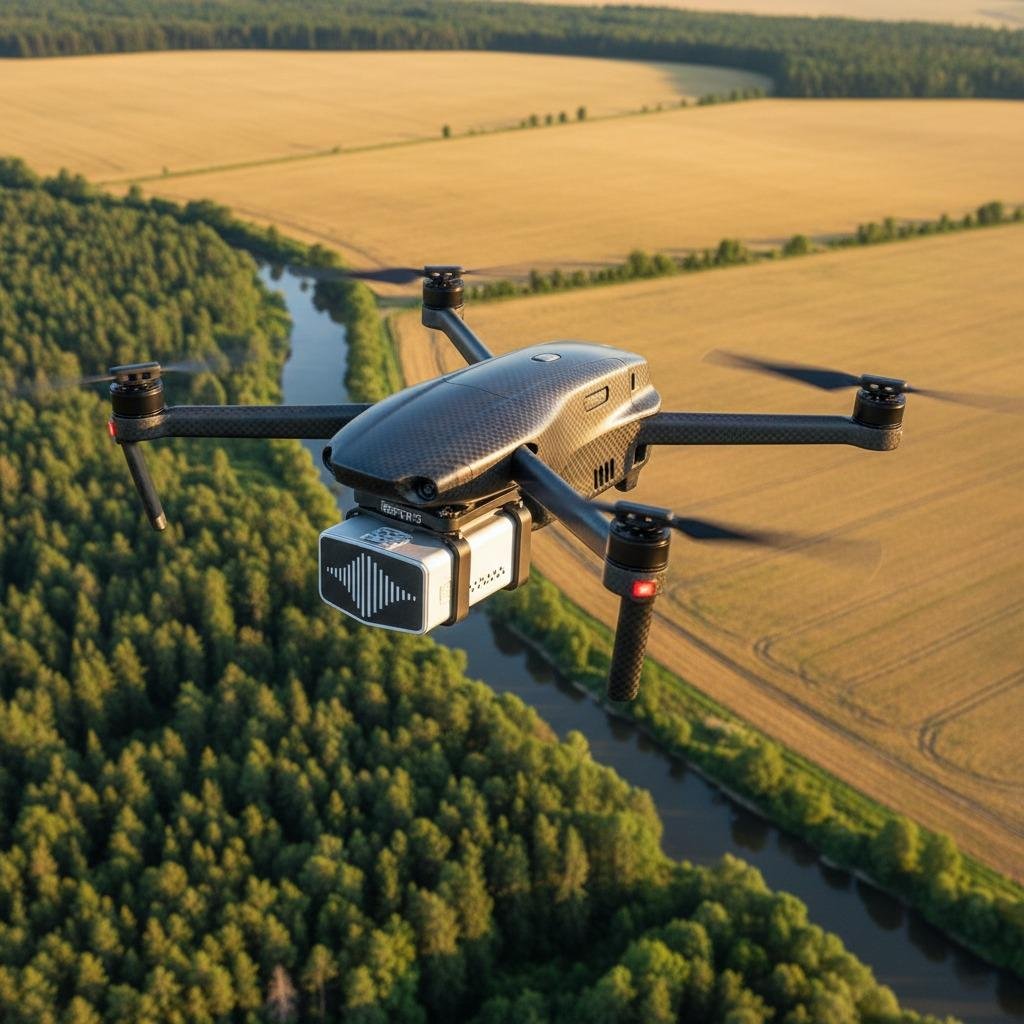
To fully leverage these advantages, selecting suitable lightweight sensors requires a focus on modular design for easy integration into existing drone platforms. For example, solutions like plug-and-play millimeter-wave radar modules ensure high-resolution output without significant modifications, directly addressing the challenges of complex installations. For developers and operators, this translates to faster deployment and lower costs. In practical applications such as agricultural monitoring or search and rescue operations, lightweight sensors equipped with ranging Doppler capabilities can provide actionable information, such as detecting changes in crop health or locating personnel in remote areas. By prioritizing the development of these technologies, the drone industry can overcome long-standing limitations in sensor weight and performance, paving the way for more versatile and efficient aerial systems.
Leveraging innovative sensor technologies for the future
Looking ahead, the development of lightweight sensors will continue to address the emerging challenges in drone applications. With the increasing demand for autonomy, high-resolution millimeter-wave radar will play a crucial role in enabling AI-driven real-time decision-making. This approach not only enhances existing capabilities but also empowers drones for next-generation missions, ensuring their agility and responsiveness in increasingly complex airspace.