






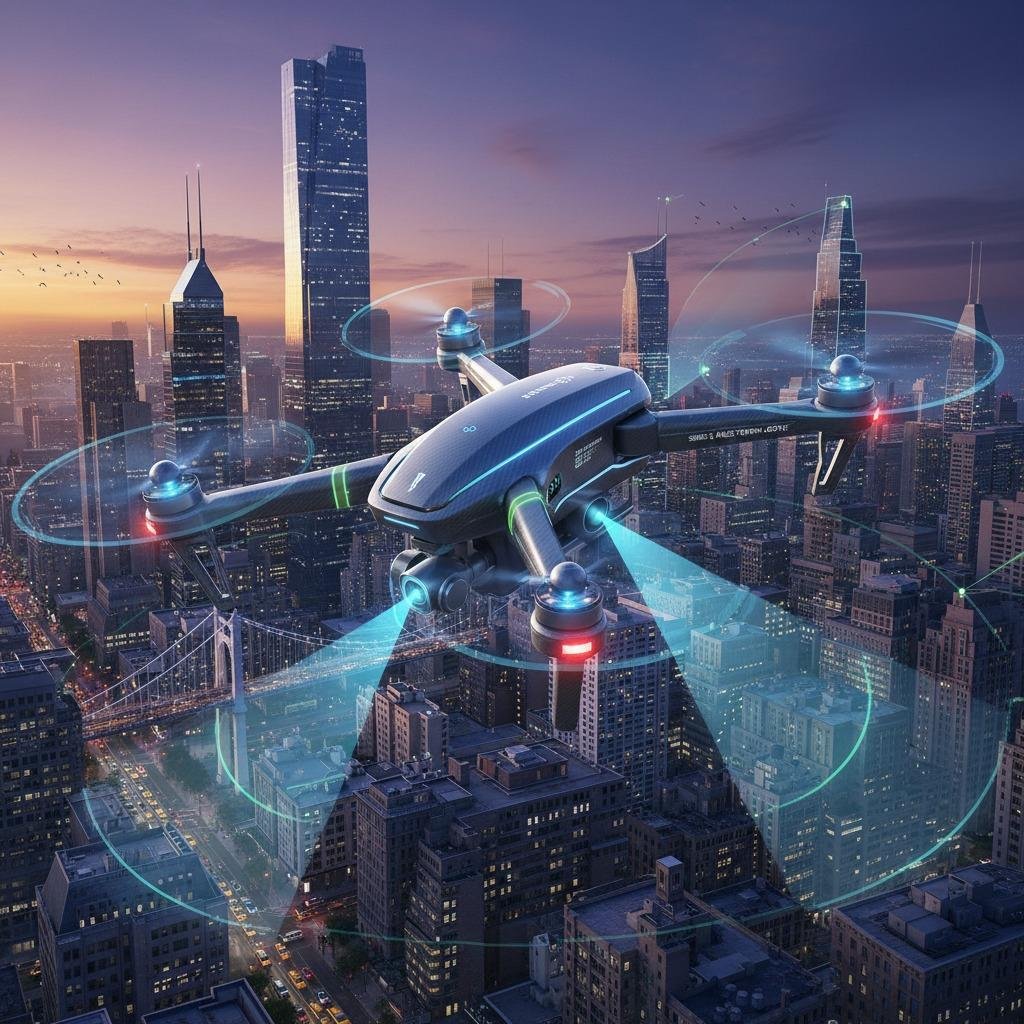
Enhancing Drone Operations: Mastering Safety Protocols for Unmanned Aerial Systems
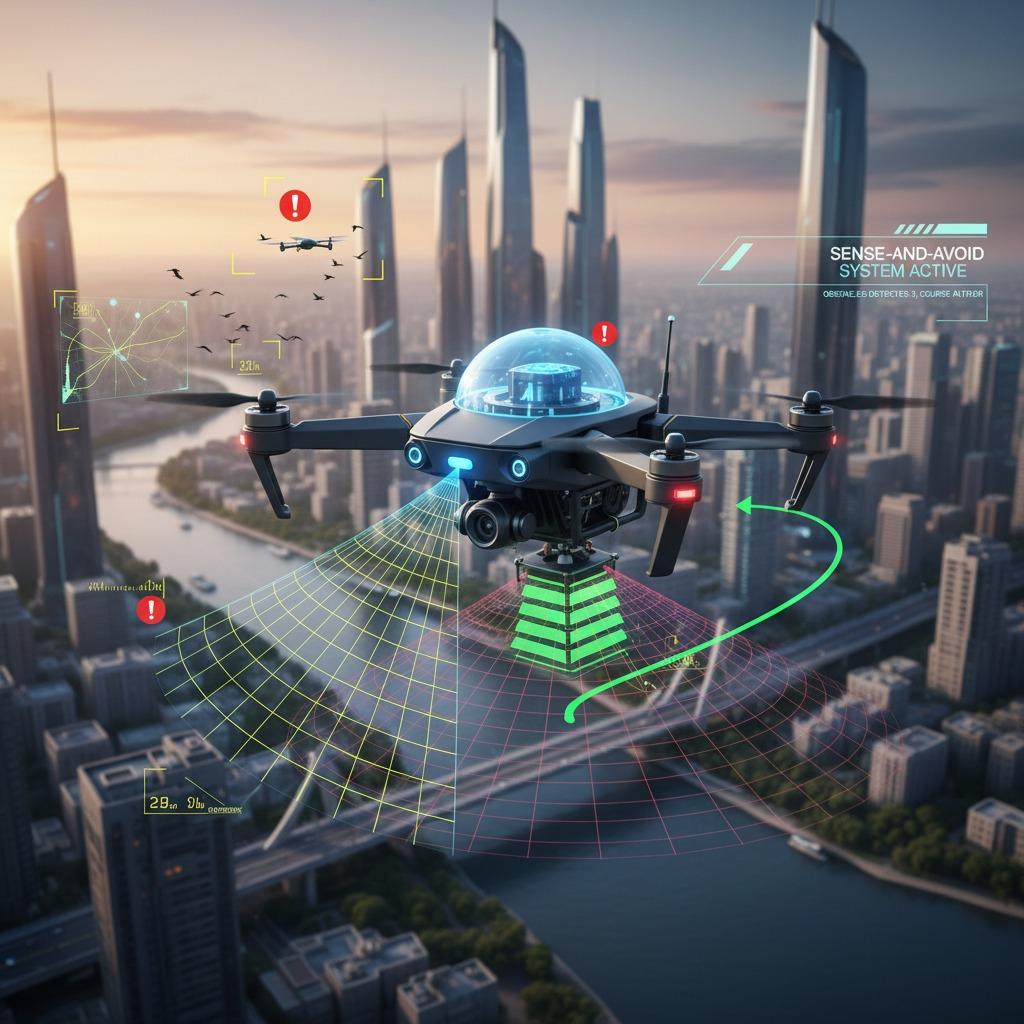
In the rapidly evolving world of drone technology, ensuring the highest standards of safety is paramount. Safety Protocols form the backbone of reliable unmanned aerial vehicle (UAV) operations, addressing risks from environmental challenges to technical failures. Without robust Safety Protocols, operators face potential hazards like mid-air collisions or loss of control in unpredictable conditions. This article explores key problems in drone safety and offers practical solutions, including advanced technologies such as Sense-and-Avoid Systems, GPS-Denied Navigation, Precision Landing, and Collision Avoidance, to mitigate these issues effectively.
The Problem: Navigating Unseen Risks in Drone Flights
Drone operators often encounter scenarios where traditional navigation fails, leading to dangerous situations. For instance, reliance on GPS can be compromised in urban canyons or remote areas, resulting in disorientation and potential crashes. Similarly, the absence of real-time obstacle detection exposes drones to collisions with birds, buildings, or other aircraft, compromising both equipment and public safety. These vulnerabilities highlight the critical need for comprehensive Safety Protocols that integrate cutting-edge features to prevent accidents and ensure seamless operations.
Solution 1: Implementing Sense-and-Avoid Systems for Proactive Threat Detection
To counter the risks of unforeseen obstacles, Sense-and-Avoid Systems emerge as a vital component of modern Safety Protocols. These systems use sensors like radar, LiDAR, and cameras to detect potential threats in real-time, allowing drones to autonomously maneuver around them. By mimicking human pilot awareness, Sense-and-Avoid Systems reduce collision probabilities by up to 90% in complex environments. For operators dealing with delivery or surveillance missions, integrating this technology ensures compliance with aviation regulations and enhances overall mission reliability. Adopting such systems not only solves immediate safety concerns but also builds trust in drone applications across industries.
Solution 2: Overcoming GPS Limitations with GPS-Denied Navigation
Another pressing challenge is operating in GPS-denied environments, where signal interference or jamming can lead to navigation errors. GPS-Denied Navigation addresses this by leveraging inertial measurement units (IMUs), visual odometry, and AI-driven mapping to maintain accurate positioning without satellite dependency. This solution is essential for military reconnaissance or indoor inspections, where traditional GPS fails. By incorporating GPS-Denied Navigation into Safety Protocols, drones can continue functioning reliably, minimizing downtime and preventing hazardous drifts into restricted zones. Operators benefit from enhanced autonomy, turning potential flight cancellations into successful deployments.
Solution 3: Achieving Reliability Through Precision Landing Techniques
Landing mishaps pose a significant risk, especially in varying weather or uneven terrain, often resulting in damage or failed missions. Precision Landing solutions utilize computer vision and ground-based markers to guide drones to exact touchdown points with centimeter-level accuracy. This technology, a cornerstone of effective Safety Protocols, mitigates errors from wind gusts or poor visibility, ensuring safe recovery every time. For commercial applications like agriculture or infrastructure monitoring, Precision Landing not only preserves equipment but also streamlines workflows, reducing operational costs and boosting efficiency.
Solution 4: Prioritizing Collision Avoidance for Comprehensive Protection
Finally, Collision Avoidance mechanisms provide an overarching layer of defense within Safety Protocols, employing predictive algorithms to anticipate and evade threats before they occur. Unlike reactive measures, these systems analyze flight paths and environmental data to reroute drones proactively. In crowded airspace, this prevents incidents that could endanger lives or property. By combining Collision Avoidance with the aforementioned technologies, operators create a multi-faceted safety net that adapts to diverse scenarios, from urban deliveries to wilderness surveys. The result is not just safer flights but also regulatory adherence and scalable growth in drone usage.
In conclusion, robust Safety Protocols, fortified by innovations like Sense-and-Avoid Systems, GPS-Denied Navigation, Precision Landing, and Collision Avoidance, transform drone operations from risky endeavors into dependable assets. By identifying common pitfalls and deploying these targeted solutions, stakeholders can unlock the full potential of UAVs while prioritizing safety above all.