






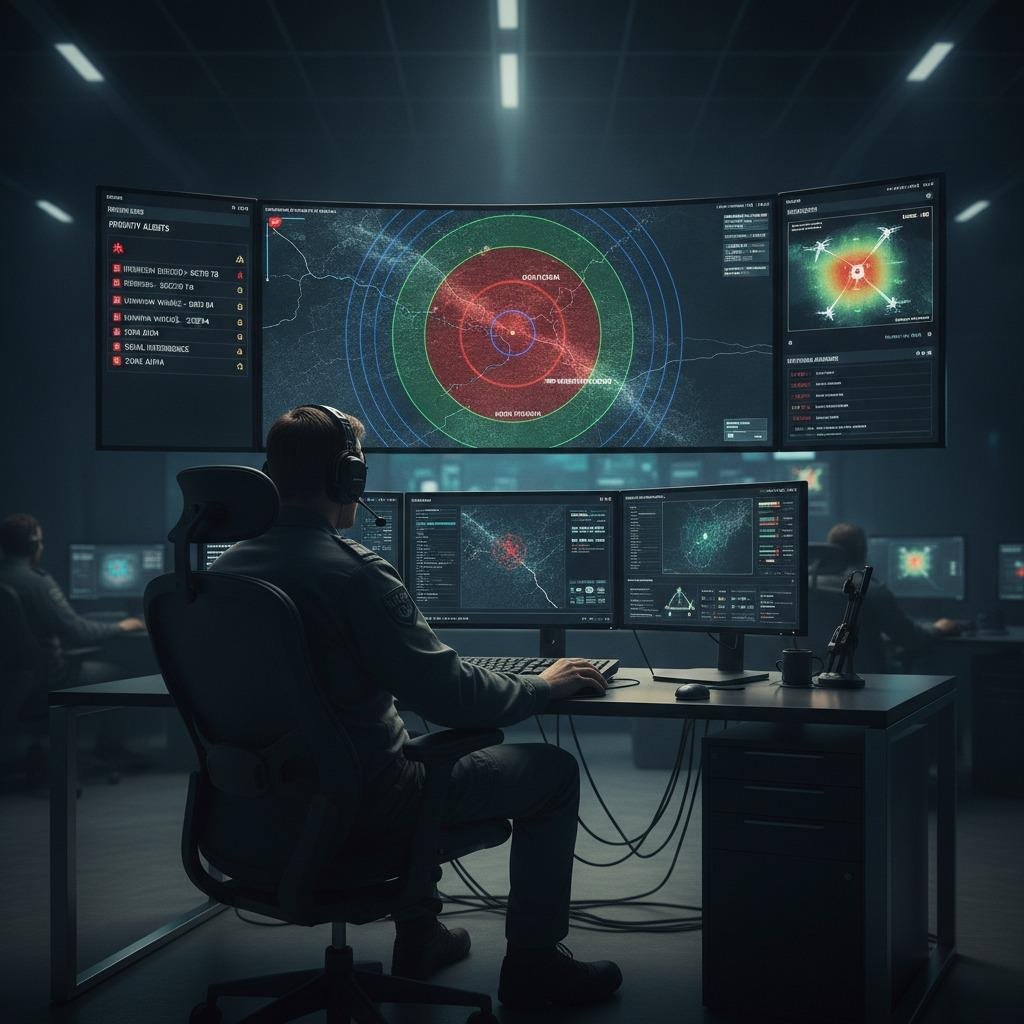
Why mission-oriented sensing mode matters in real operations
Mission-oriented sensing mode is not just a software label. In practice, it is the difference between a sensor system that simply collects data and one that helps an operator make faster, cleaner decisions when time is tight. For engineers, sourcing managers, and product teams, the question is rarely whether a sensor can detect something. The harder question is whether it can detect the right thing, at the right time, and present it in a form that supports action.
That matters because modern operating environments are crowded, noisy, and changing. A platform may need to monitor a wide area, then narrow attention to a specific sector, then re-prioritize again when conditions shift. Without a sensing approach designed around the mission itself, systems can waste bandwidth, overload the operator, or miss the signal that actually matters. This is where mission-oriented sensing mode earns its keep.
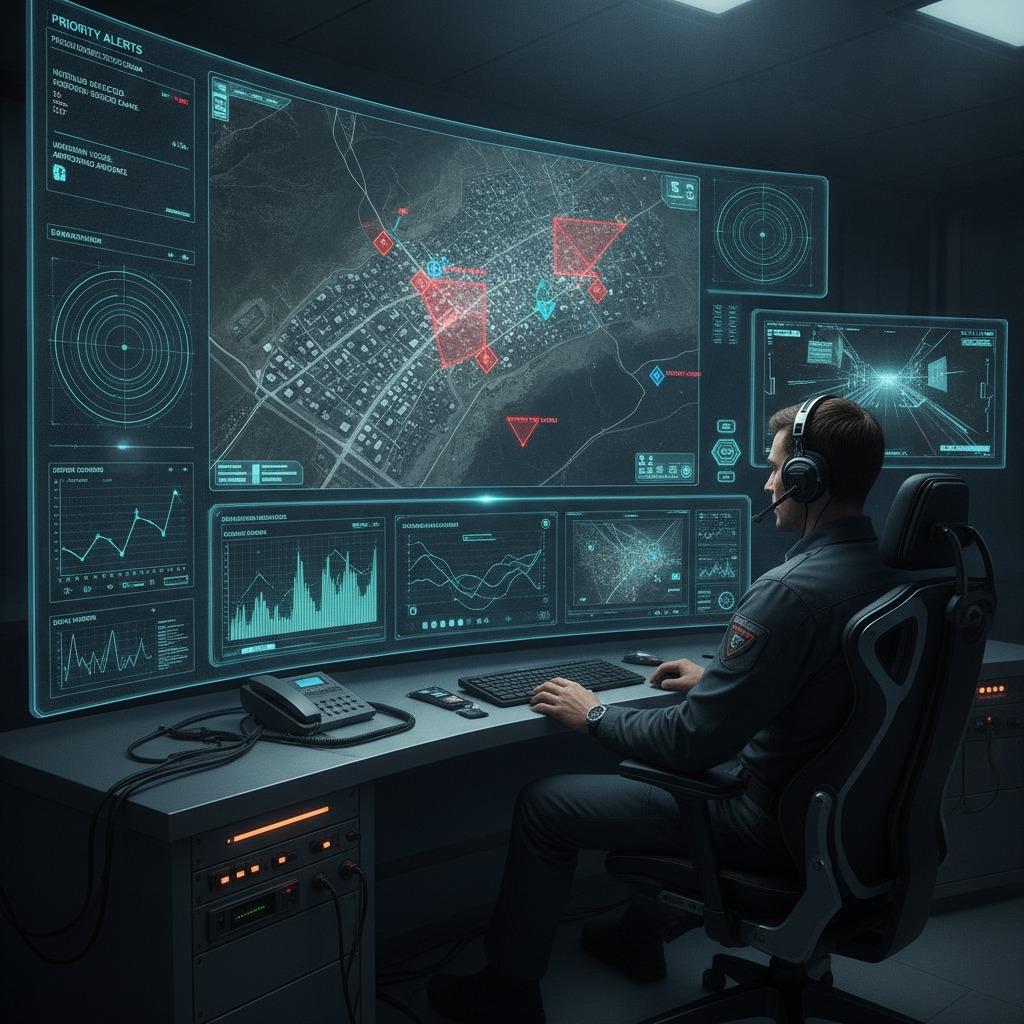
The core idea: sense for the task, not just for the feed
Traditional sensor setups often treat all data streams as roughly equal until a human sorts them out. That is workable in calm environments, but it becomes expensive in high-tempo settings. Mission-oriented sensing mode flips the logic. It aligns sensor behavior, data collection, and presentation with the operational objective. The system is tuned to support situational awareness enhancement rather than raw data accumulation.
In practical terms, that can mean focusing a wider scan on a specific region, giving priority to moving objects over static background clutter, or adjusting how often a sensor samples based on current task load. The goal is not maximum data volume. The goal is a cleaner operational picture.
What buyers should look for
When teams evaluate sensing systems with this capability, they should avoid getting distracted by broad claims. Ask how the system handles dynamic task prioritization. Can it shift attention quickly without collapsing the rest of the picture? Can an operator define mission rules, or is the logic locked into a fixed profile? These details matter more than marketing language.
Another useful question is whether the system supports threat zone mapping in a way that is actually usable. A map layer is only helpful if it is current, readable, and integrated with the decision workflow. If the output is too abstract, too slow, or too difficult to interpret under pressure, it will not help the team in the field.
Quick buyer check
Look for:
• Clear mission logic, not just generic detection modes
• Adjustable priority rules for changing conditions
• Output designed for tactical decision support, not only for post-mission review
• Sensor fusion or alert handling that reduces clutter instead of adding to it
Common failure points in the field
One common mistake is overconfiguring the system before anyone has agreed on the mission definition. If the sensing mode is built around the wrong assumption, it will deliver elegant but unhelpful outputs. Another recurring problem is treating every alert as equally urgent. That creates fatigue fast, and fatigue tends to flatten even a good operator’s judgment.
There is also a tendency to assume that more coverage automatically means better awareness. Sometimes the opposite is true. A broad, unmanaged picture can hide the one event that requires immediate attention. A well-designed mission-oriented sensing mode should help narrow the field without blinding the user to surrounding context.
Where this approach is most useful
The strongest use cases are those with shifting priorities and limited attention. That includes mobile platforms, perimeter monitoring, inspection systems that must distinguish routine variation from real anomalies, and any environment where a team needs to combine sensor input with rapid response. In those settings, situational awareness enhancement is not a luxury. It is part of the operating requirement.
For product teams, the appeal is straightforward: a mission-centered sensing architecture can make a system easier to defend technically and easier to explain commercially. For sourcing managers, it can also reduce the risk of buying hardware that looks capable on paper but fails when operators need fast, context-rich output.
Practical advice for selection and integration
Before committing to a platform, define the mission in plain language. What is the system supposed to notice first? What can wait? What should trigger escalation? Once those answers are clear, it becomes much easier to judge whether a sensing mode truly fits the use case.
Integration deserves equal attention. If mission logic cannot connect cleanly with the rest of the control stack, the feature may exist only in theory. Ask how the sensing output is consumed, who can change priority rules, and what happens when conditions become ambiguous. That last point is often overlooked, yet ambiguity is where real systems earn their reputation.
What this decision really affects
Choosing a mission-oriented sensing mode is not just a technical preference. It shapes operator workload, response speed, and the quality of tactical decision support. It also affects how much confidence a team can place in the sensor picture when the environment stops behaving politely, which it usually does.
For buyers, the best next step is to request a live demonstration tied to a realistic mission scenario. Ask to see how the system behaves when priorities change midstream. A feature that looks impressive in a static demo can feel very different when the task gets messy. That is usually where the real answer shows up.