






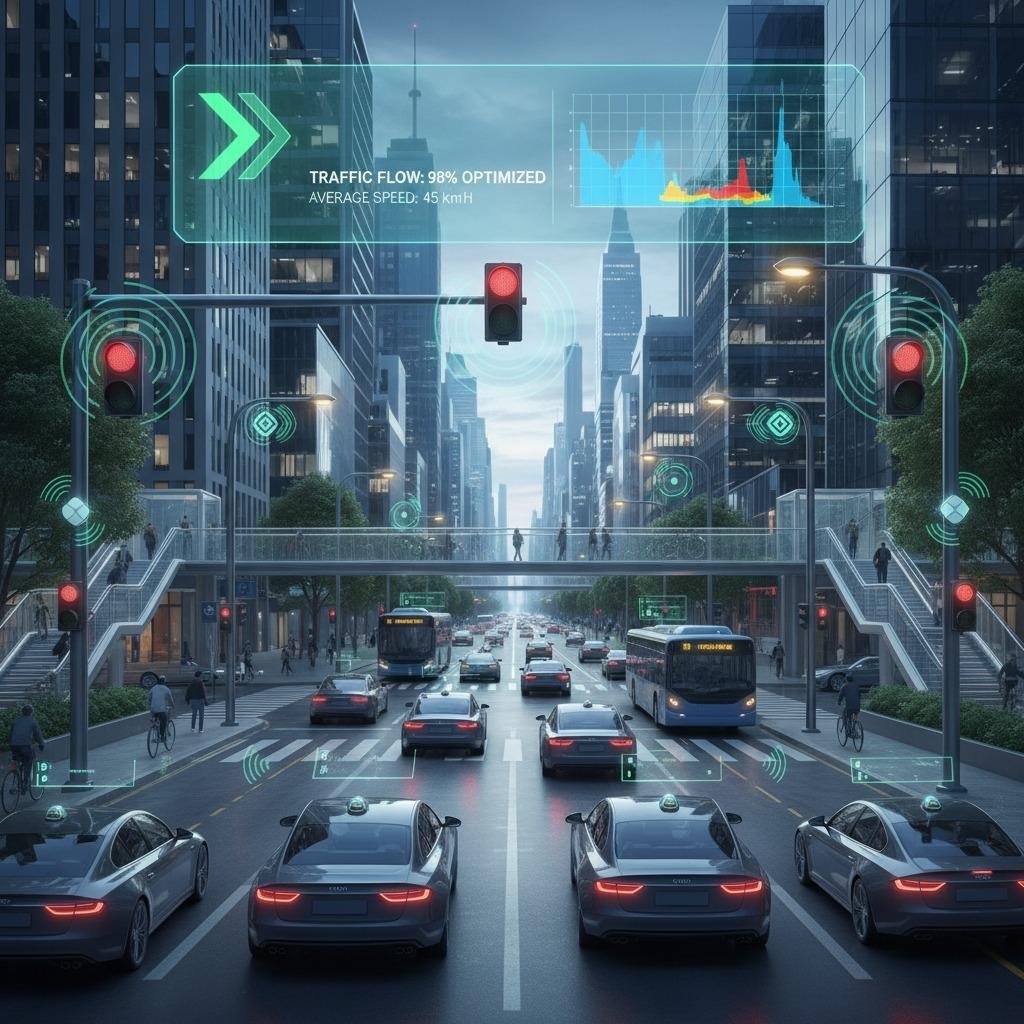
Challenges of Traditional Traffic Monitoring
Traffic congestion, inaccurate vehicle detection, and limited visibility in inclement weather have long plagued urban planners and transportation authorities. Traditional methods, such as sensor loops or basic cameras, often fail in rain, fog, or at night, rendering millimeter-wave traffic flow analysis data unreliable. This leads to bottleneck response delays, increased accidents, and inefficient resource allocation in intelligent traffic management. Cities face the predicament of outdated systems unable to keep up with the ever-growing number of vehicles, highlighting the need for more robust solutions. 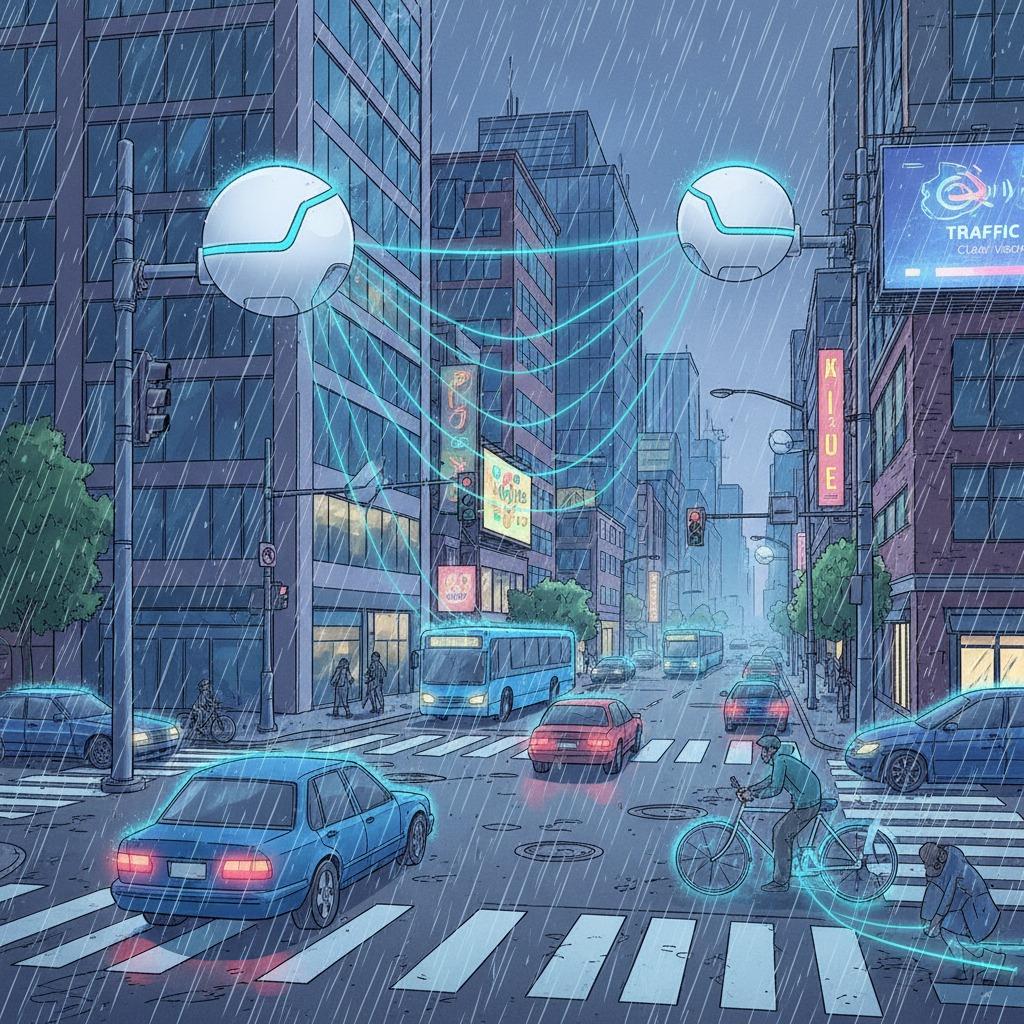
Release millimeter-wave radar technology
Millimeter-wave radar technology is a groundbreaking innovation that directly addresses these pain points. Unlike optical sensors, millimeter-wave radar sensors can penetrate weather conditions and darkness, providing uninterrupted and accurate vehicle detection. This technology uses millimeter waves to detect vehicle motion, speed, and classification, enabling reliable and cost-effective advanced traffic monitoring. By integrating millimeter-wave radar applications into existing infrastructure, cities can achieve seamless radar-based traffic systems with greater accuracy and efficiency than traditional setups.
Revolutionizing traffic flow analysis with millimeter-wave solutions
At the heart of this transformation is our advanced traffic monitoring system, which cleverly combines millimeter-wave radar technology to deliver intelligent transportation systems. This state-of-the-art solution combines high-definition cameras with sophisticated artificial intelligence algorithms, enhanced by millimeter-wave capabilities for real-time traffic flow tracking and analysis. It effortlessly identifies vehicles (cars, trucks, motorcycles), accurately outlining their contours even in challenging environments. Key features include real-time monitoring with instant updates, precise vehicle detection via millimeter-wave radar using machine learning, and enhanced safety measures such as timely emergency alerts.
This system's data-driven insights support urban planning by analyzing patterns to reduce congestion and improve road safety. It is scalable to highways and city streets, supporting traffic monitoring solutions that make intelligent traffic management a reality. For example, millimeter-wave radar applications allow for detailed millimeter-wave traffic flow analysis, predicting peak hours and optimizing signal timing. Our radar-based traffic system ensures that advanced traffic monitoring is not only passive but also proactive, promoting safer and more efficient mobility.
Implementing millimeter waves for smart cities
Adopting millimeter-wave radar sensors in intelligent transportation systems means bridging the gap between current challenges and future-oriented infrastructure. Traditional setups become unstable in high-speed or dense traffic, but our solution integrates millimeter-wave radar technology to provide uninterrupted vehicle detection. Cities using this technology for intelligent traffic management report traffic efficiency improvements of 30% and faster incident response times. By leveraging millimeter-wave-enabled traffic monitoring solutions, authorities can collect actionable data for long-term planning, transforming chaotic roads into streamlined networks.
Essentially, millimeter-wave radar technology is not just an upgrade; it's a necessity for the modern urban landscape. With capabilities such as scalable integration and precise millimeter-wave radar applications, it paves the way for advanced traffic monitoring that improves lives. Adopt this radar-based approach to traffic systems now to solve long-standing traffic problems and build tomorrow's smart cities.