






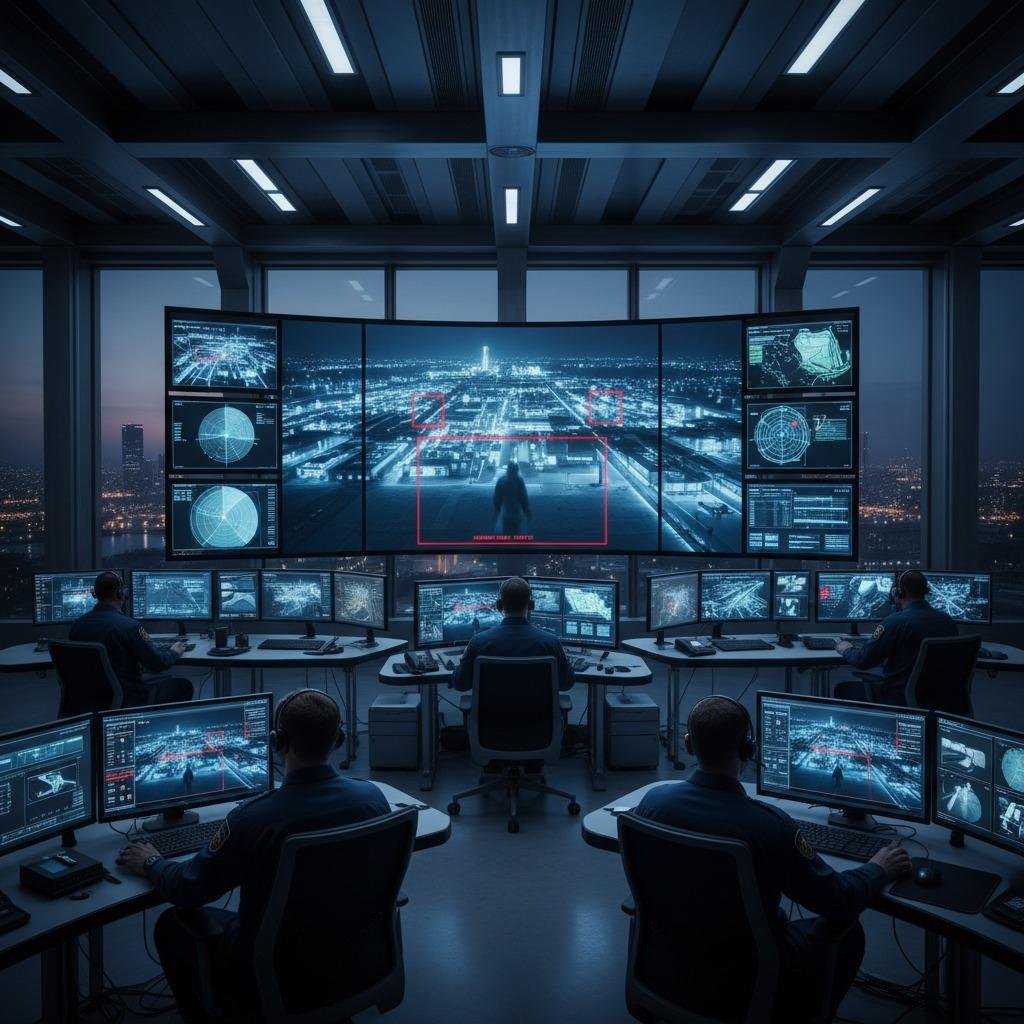
Persistent wide-area monitoring: what buyers are really trying to solve
Persistent wide-area monitoring is usually not a buying decision about a single camera or sensor; it is a response to a stubborn operational problem. Teams need to keep eyes on a broad area for long periods, spot movement early, and do it without drowning operators in false alarms or blind spots. In security, border observation, infrastructure protection, and industrial site supervision, the question is rarely whether to monitor. It is how to maintain reliable awareness across distance, changing light, and weather without building an oversized system that is hard to run.
That is why the conversation often turns to long-distance target acquisition, extended field of view, wide-area scanning, and long-range surveillance. These are related ideas, but they do not solve the same problem in the same way. A procurement team may want detection first, identification second, and tracking third. An operations manager may care more about uninterrupted coverage than pinpoint resolution. Those distinctions matter, because a system that looks impressive on paper can still underperform in the field if it cannot follow the actual workflow.
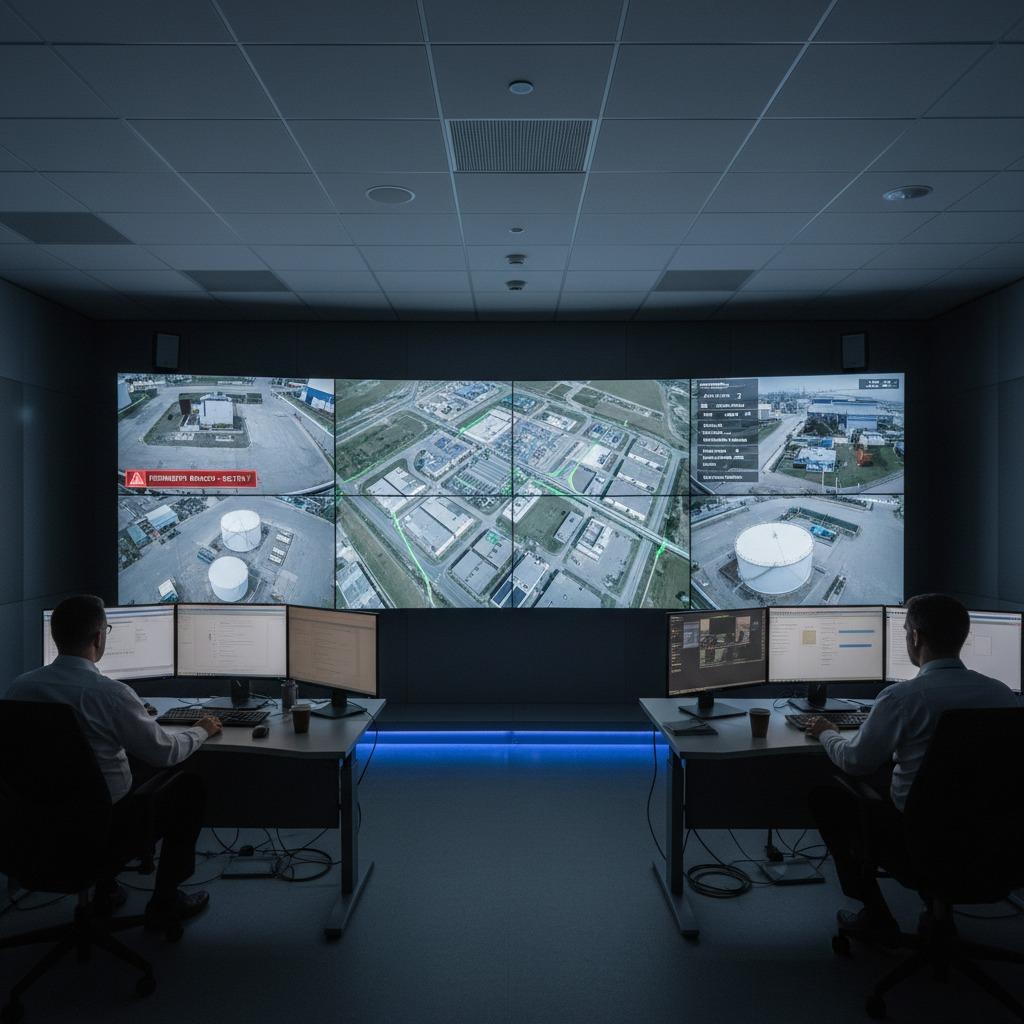
What persistent monitoring has to do well
The first requirement is simple: detect activity early enough to matter. If a system only confirms an event after it is already close to the protected asset, the value drops fast. The second requirement is steadier than it sounds: hold attention on the area long enough for an operator or downstream system to make a decision. That means consistent performance across day, night, haze, heat shimmer, and other conditions that stretch ordinary equipment.
There is also a practical human factor. Wide-area systems can become noisy very quickly. A platform that produces too many alerts forces teams to ignore them, and once that happens, even good data loses value. Buyers should look for a setup that supports meaningful prioritization rather than just collecting more pixels, more video, or more radar returns.
Common technology approaches and where they fit
Optical systems
Optical cameras are still the most familiar option for persistent wide-area monitoring. They work well when the target is visible and when image detail matters. Pan-tilt-zoom units can support long-distance target acquisition, but only within the limits of lens quality, stabilization, and atmospheric conditions. At long range, the field may look clear in the catalog and much less cooperative on a windy day.
Thermal and low-light sensing
Thermal imaging is often selected when visibility changes or when the buyer needs detection in darkness without relying on external lighting. It can be useful for wide-area scanning because it helps reveal activity that standard imaging may miss. The tradeoff is that thermal systems can be strong on contrast and weaker on visual detail, so they are often paired with other sensors instead of used alone.
Radar and fused sensing
Radar is valuable for persistence because it can watch a large area continuously and detect motion through conditions that challenge cameras. In many applications, radar is not the final answer but the trigger that points another sensor. Sensor fusion is often the practical route: one device detects, another identifies, and software helps reduce the operator burden. For many buyers, that combination is more realistic than expecting a single system to do everything.
Selection criteria that matter in the field
When evaluating persistent wide-area monitoring systems, start with geometry. How wide is the zone, how far is the far edge, and what must be seen clearly at that distance? Next, consider environmental conditions. A coastal site, a desert perimeter, and a fenced industrial yard do not punish equipment in the same way. Then ask who will use the output. If the end user is a small control-room team, wide-area surveillance should emphasize clarity and automation, not raw data volume.
Integration is another point that gets underestimated. A monitoring platform may fit the physical site but still create headaches if it cannot work cleanly with existing alarms, control software, or analytics. Maintenance access matters too. Systems mounted on poles, towers, or remote structures should be serviceable without turning every inspection into a shutdown.
Frequent mistakes buyers make
One common mistake is overspecifying range and underspecifying usability. Another is assuming a wider field of view automatically means better coverage. In practice, an extended field of view can dilute detail if the optics and processing are not matched to the mission. A third mistake is ignoring how the system will be monitored over time. Persistent monitoring sounds like a hardware problem, but it becomes an operating problem very quickly.
Buyers also sometimes separate detection and response too cleanly. If the team cannot act on what the system sees, the investment may only produce more evidence after the fact. That is not enough for many industrial or security environments.
Practical buyer advice
Ask vendors to describe the system in terms of outcomes, not only components. What is detected at distance? What can be identified? What happens when weather changes? How are alerts filtered? If the answer leans heavily on lab conditions, keep pressing. Real sites are less tidy.
It also helps to request a setup plan that reflects the actual area, not a generic demo. Persistent wide-area monitoring should be designed around the site layout, likely traffic patterns, and the operator’s decision path. That is the difference between a tool that watches and a system that supports action.
Where this goes next
For engineering and sourcing teams, the best next step is to map the monitored area, define the detection and identification needs, and compare sensor approaches against those requirements. If the job calls for long-range surveillance across a broad and changing environment, start with the operational problem first and the equipment second. That order usually saves time, money, and a fair amount of frustration later.