






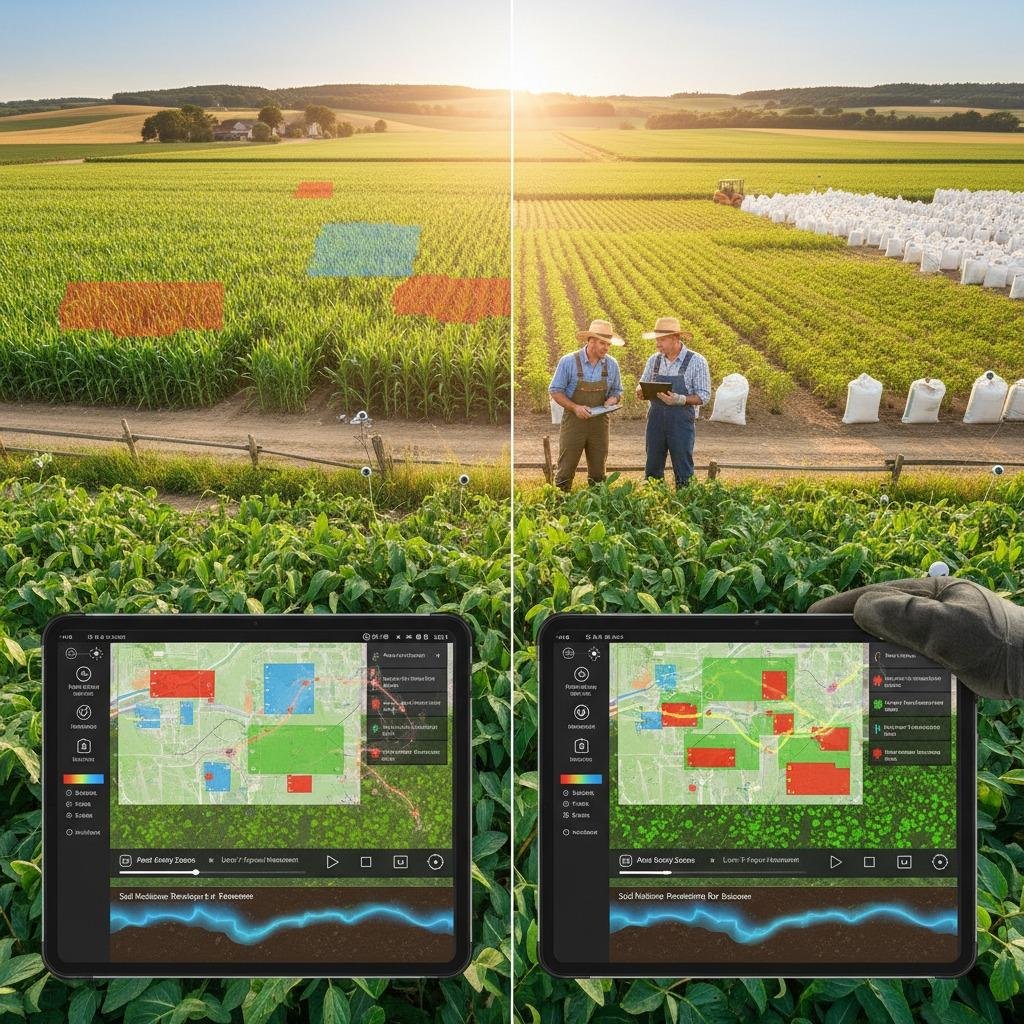
Why pest movement tracking matters before an infestation becomes visible
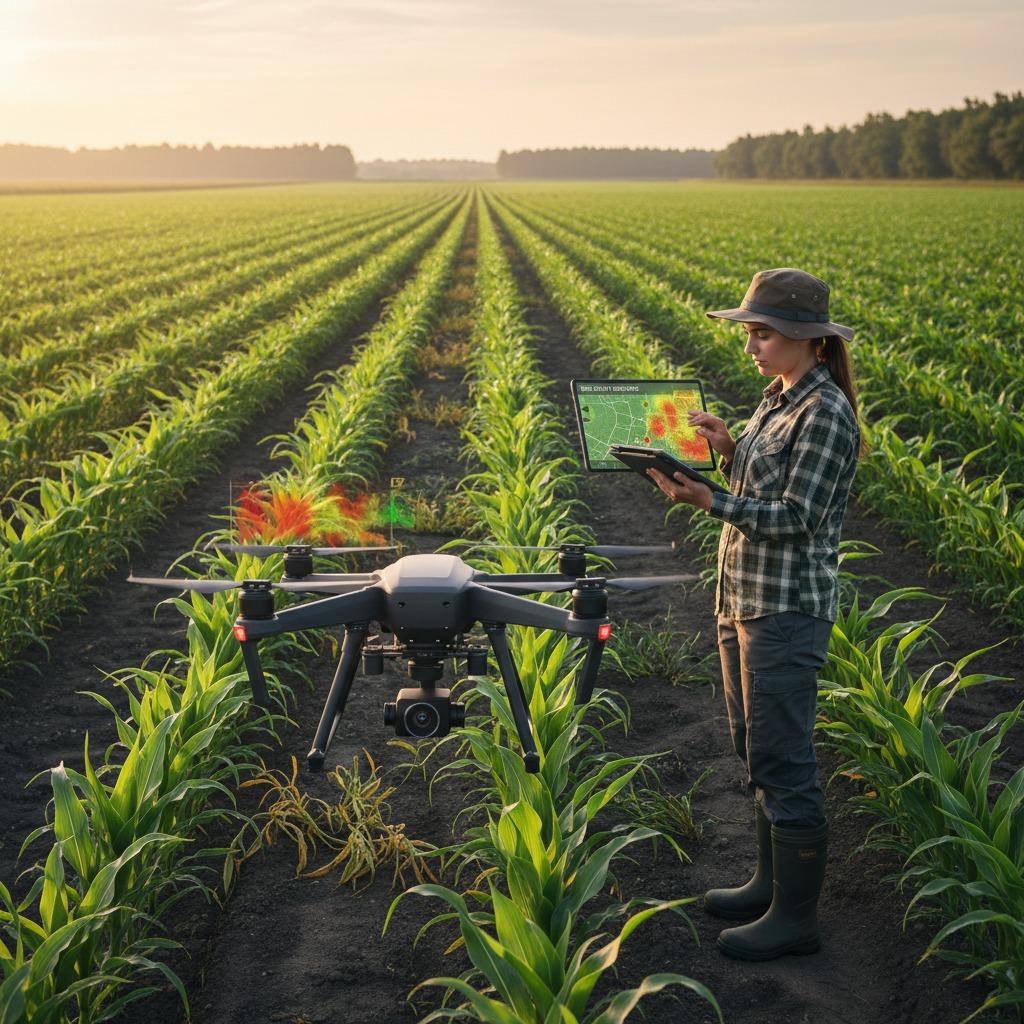
Pest movement tracking is one of those topics that sounds narrow until you are the person trying to protect a field, orchard, greenhouse, or stored-product operation from a problem that spreads faster than people can scout it. By the time leaves show damage or traps are overflowing, the infestation has usually been active long enough to cost yield, quality, and labor. The real value of tracking movement is not simply knowing that pests exist; it is understanding where they are going, how quickly they are spreading, and which parts of the crop are likely to be hit next.
For growers and agronomy teams, that changes the decision from reactive spraying to targeted intervention. For product teams and sourcing managers, it changes how sensing platforms are evaluated: accuracy is not only about detection, but also about consistency across terrain, canopy structure, and changing field conditions. A useful system has to produce signals that can be acted on, not just displayed on a dashboard.
What pest movement tracking is trying to solve
The practical problem is simple enough: pests rarely distribute themselves evenly. They cluster near edges, migrate along windbreaks, concentrate where canopy is dense, or shift with moisture and temperature. That means a single scouting pass can miss the early pattern entirely. Once movement becomes obvious to the eye, the response window is already narrower.
A good tracking approach helps teams answer a few questions at once:
Where is pest pressure starting?
How fast is it spreading?
Which zones need follow-up scouting or treatment first?
Which environmental conditions seem to be encouraging movement?
That is where related agronomic sensing inputs become useful. Weed density detection can indicate competition and field variability. Soil moisture sensing often helps explain why certain areas are more attractive to pests or more vulnerable to crop stress. Crop height estimation and canopy penetration for biomass give additional context, especially in dense stands where pests can hide or move under cover.
Quick way to think about the sensing stack
Pest movement tracking rarely works best as a single-data-point exercise. It is usually stronger when paired with complementary measurements.
Weed density detection
High weed pressure can create shelter, alter airflow, and complicate inspection. If a field has patchy weed density, pest activity can appear to “jump” simply because the habitat is uneven.
Soil moisture sensing
Moisture levels influence crop stress and local microclimates. Dry or overly wet pockets can change pest behavior, and that matters when you are trying to predict movement rather than just count insects.
Crop height estimation
Height is more than a yield proxy. It helps teams understand access, visibility, and the likelihood that pests are moving within the canopy rather than across exposed surfaces.
Canopy penetration for biomass
Dense canopies can hide pest activity and reduce the reliability of top-down observation. Penetration data is useful when the question is not “is there biomass here?” but “what is happening underneath it?”
Selection criteria that actually matter
Buyers sometimes overfocus on raw resolution or sensor count. Those are not irrelevant, but they do not automatically translate into better field decisions. In practice, the better question is whether the system can distinguish movement patterns from background variation.
Look for consistency across changing light and canopy conditions. Ask how the system handles edge zones, irregular planting, and mixed crop structure. If the data will be used for operational decisions, the platform should also integrate cleanly with scouting workflows or farm management software. A sensor that produces isolated data with no practical follow-up path can become an expensive curiosity.
It is also worth checking whether the system supports repeatable comparisons over time. Pest pressure is dynamic; the value comes from seeing change, not just a single snapshot.
Common mistakes teams make
One frequent mistake is treating pest movement tracking as a replacement for human scouting. It is not. It is a triage tool that helps field teams spend time where it counts.
Another is ignoring the crop environment. Dense canopy, variable topography, moisture gradients, and weed patches can all distort what the data seems to say. If those factors are not included in the analysis, the team may chase the wrong hotspot.
A third issue is acting too broadly. When movement is localized, blanket response can waste inputs and sometimes disturb beneficial organisms more than necessary. Precision only pays off if the interpretation is disciplined.
Practical buyer advice for engineering and sourcing teams
If you are evaluating a sensing or monitoring solution, ask for examples of how it performs in mixed field conditions, not just ideal ones. Dense crops, partial shade, dust, and uneven ground are the real test. Request clarity on how the system separates pest signals from other variability such as weed patches or soil moisture changes. And if the platform is meant to guide treatment timing, make sure the output is easy for agronomists or operators to interpret quickly.
For sourcing teams, the important decision is not “which sensor is best” in the abstract. It is which combination of sensing inputs best supports faster intervention with less guesswork.
FAQ
Is pest movement tracking only useful for large farms?
No. Larger operations may feel the pain faster, but greenhouses, specialty crops, and storage environments can benefit just as much because movement patterns can spread damage quickly in a confined space.
Does one sensor solve the problem?
Usually not. Pest movement is often clearer when viewed alongside weed density detection, soil moisture sensing, crop height estimation, and canopy penetration for biomass.
What is the main business value?
Earlier intervention with less blanket treatment. That usually means better crop protection, less wasted labor, and more confident decisions.
What to do next
If your current scouting process only tells you where pests have already done damage, it is probably behind the curve. The better next step is to define which environmental and crop-condition signals you need alongside pest movement tracking, then compare solutions on how well they support field-level decisions. That is the difference between collecting data and actually reducing risk.