






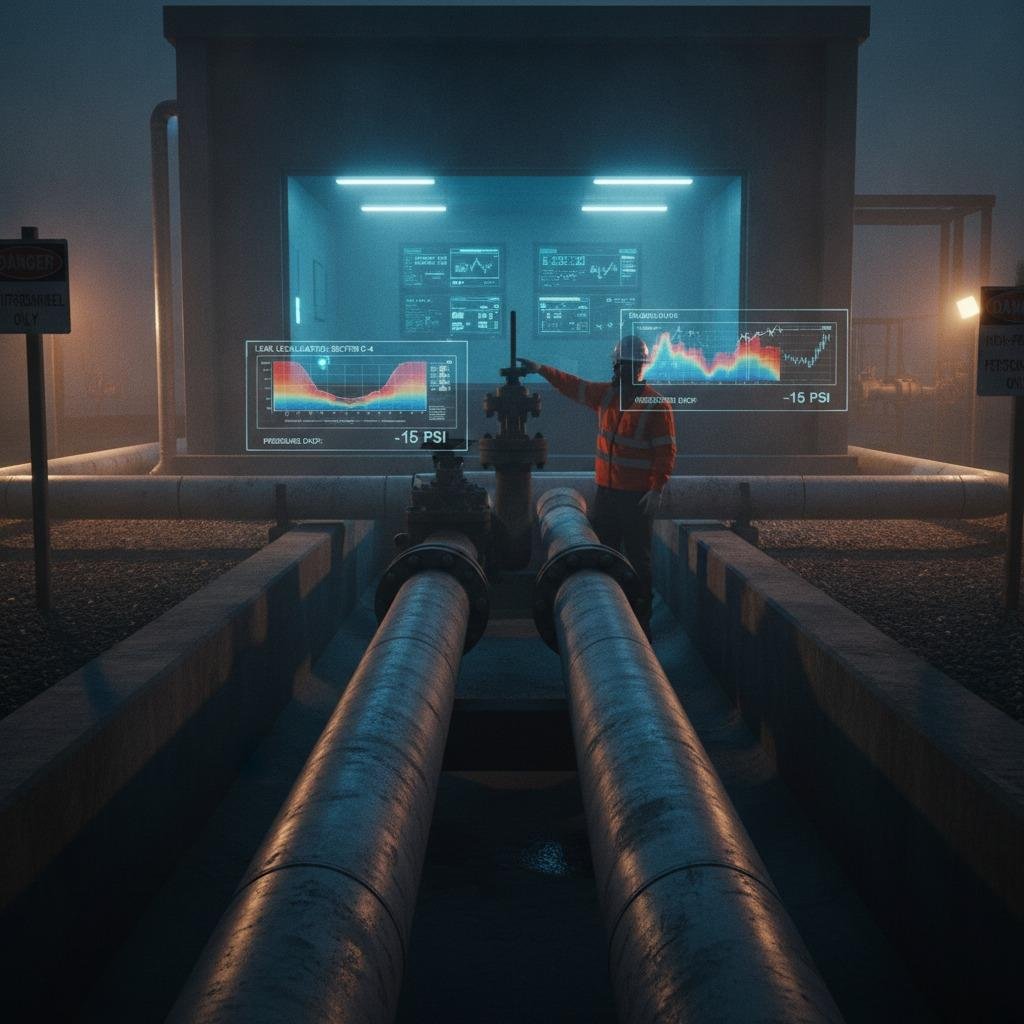
Pipeline leakage detection: why it matters before a small problem turns into a shutdown
Pipeline leakage detection is one of those topics that only gets attention when something has already gone wrong. A wet patch near a valve station, an unexplained pressure drop, a faint odor, or a remote alarm that keeps recurring can all point to a leak that is easy to miss at first and expensive to ignore later. For operators, engineering teams, and asset managers, the real question is not whether leaks can happen. They can. The question is how quickly they can be found, confirmed, and isolated before product loss, environmental exposure, or downtime starts to spread.
That is why the best leakage strategy is not a single device or a single inspection round. It is a practical mix of monitoring, field verification, and disciplined maintenance. In many facilities, the same sensing and inspection mindset used for Bridge deformation monitoring or Infrastructure defect identification is being applied to pipelines: watch for change, compare against a known baseline, and intervene before the defect becomes visible to everyone else.
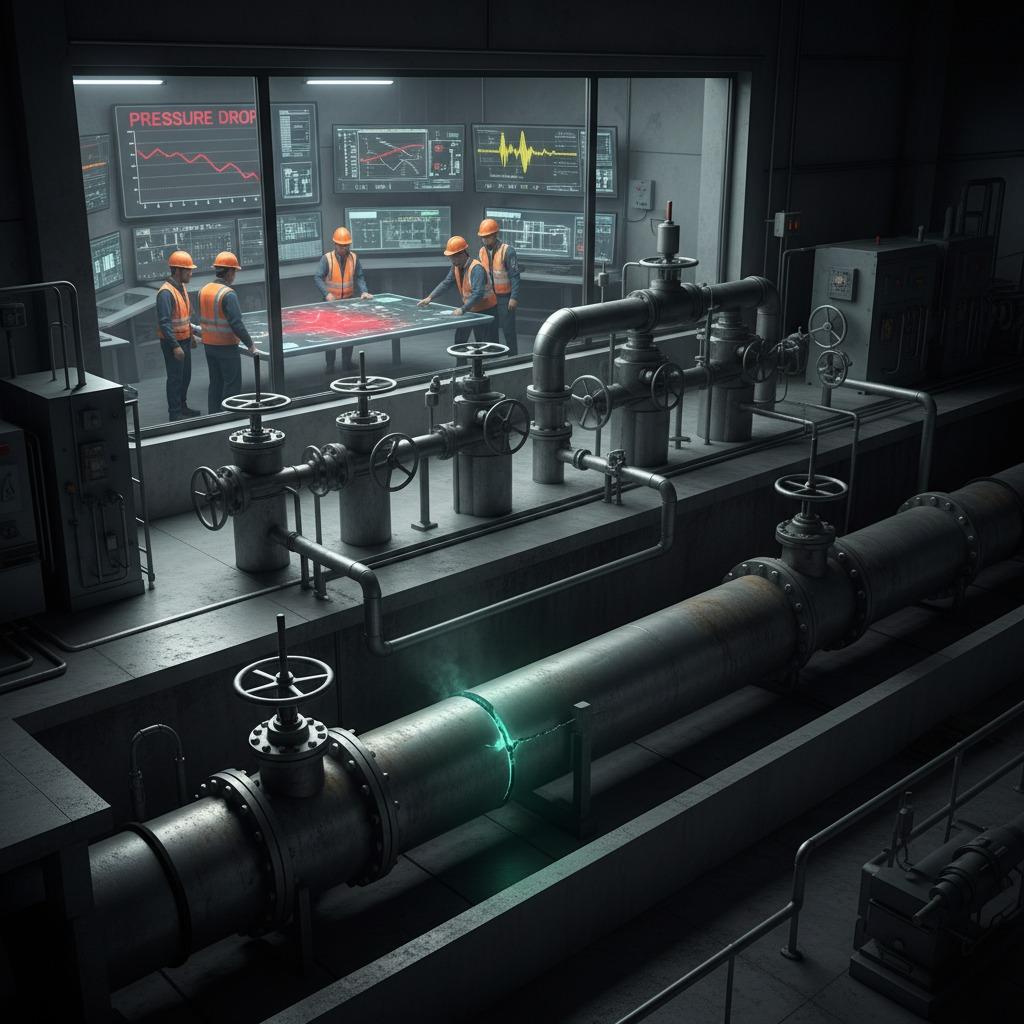
The operational problem behind most leaks
A pipeline rarely fails in a dramatic, clean way. More often, a leak begins as a small loss through corrosion, a weakened joint, vibration damage, ground movement, seal wear, or a third-party strike. The technical details vary, but the business impact is similar. Material is wasted, pressure control becomes less stable, and the inspection team has to spend time separating a real defect from routine noise in the system.
For that reason, pipeline leakage detection is as much about decision-making as it is about sensing. An alert is useful only if it helps the operator answer a few basic questions: Is the event real? Where is it likely occurring? How serious is it? Can the line keep running safely, or should it be shut down or isolated?
What modern leakage detection is trying to accomplish
Most buyers are not shopping for “more data.” They are trying to reduce uncertainty. A workable leakage program should help identify abnormal behavior early, localize the issue with enough confidence to send crews to the right area, and support maintenance planning without creating a stream of false alarms.
That sounds straightforward, but it is where many programs struggle. A system that is too sensitive can bury operators in nuisance alerts. A system that is too conservative can miss the early signs that matter. The right balance depends on the pipeline’s contents, diameter, operating pressure, terrain, and how accessible the line is for field inspection.
Key approaches buyers usually compare
Continuous monitoring
Continuous methods watch the line for pressure change, flow imbalance, acoustic signatures, or other abnormal patterns. Their strength is speed. They are useful where early notification matters and where the cost of delay is high. Their weakness is that they often need clean baselines and good instrumentation discipline to stay reliable.
Targeted field inspection
Field inspection remains important because no monitoring method is perfect. Visual checks, patrols, and site-level verification can confirm what a dashboard only suggests. In remote or difficult terrain, this may be the only practical way to verify a suspected leak. The downside is obvious: inspection cycles leave gaps, and leaks do not wait for the next round.
Condition-based integration
The more mature programs connect leakage detection with broader asset health work. That may include corrosion checks, vibration review, ground movement awareness, and related infrastructure review. In neighboring asset categories such as Insulator inspection and Power line detection, this integrated approach is already common: one defect rarely acts alone, and one alarm rarely tells the whole story.
Selection criteria that actually matter on the buyer side
When evaluating a leakage detection solution, the best question is often not “What technology is this?” but “What problem will it solve in our operating conditions?” A few points deserve attention.
First, consider the response time you need. A slow detection loop may be acceptable on a low-risk line, but not where the consequence of release is severe. Second, ask how the system handles background variation. Temperature swings, pumping changes, product changeovers, and intermittent demand can all create signatures that look suspicious unless the system is tuned properly. Third, think about maintenance. A tool that requires constant recalibration or specialist support can become a burden, especially for multi-site operations.
It is also worth asking how findings will be used. If the result is supposed to trigger work orders, isolate a section, or inform a regulatory response, the output needs to be clear enough for operations staff, not just analysts.
Common mistakes that slow down response
One common mistake is treating leakage detection as a one-time installation project. In practice, the system needs periodic review. Pipelines age, operating patterns change, and sensors drift. Another mistake is relying on a single layer of evidence. If the data suggests a leak but the field team has no verification path, the alarm may sit unresolved longer than it should.
There is also a habit, especially in older facilities, of accepting small chronic losses as normal. That is rarely a good trade. Minor leakage often signals a larger mechanical issue in formation, and once the root cause expands, repair work becomes more disruptive.
Practical advice for engineering and sourcing teams
Engineering teams should map the line by consequence, not only by length. The most critical segments deserve the fastest detection and the clearest escalation path. Sourcing teams, meanwhile, should compare total operating burden rather than purchase price alone. A lower-cost system that is difficult to validate or maintain can be more expensive over time.
Ask vendors for clarity on integration, alarm logic, data visibility, and the type of field support available after installation. If the supplier cannot explain how the solution behaves during normal operating variation, that is a warning sign. It may still work, but the burden of proving it will fall on your team.
A useful next step
If your pipeline program still depends heavily on manual checks, or if your current alarms are too noisy to trust, it may be time to reassess the detection strategy. Start with the failure modes that matter most, then look for a solution that can narrow the search area quickly and support a practical response in the field. That is usually where pipeline leakage detection proves its value: not by producing more alerts, but by helping teams act on the right one sooner.