






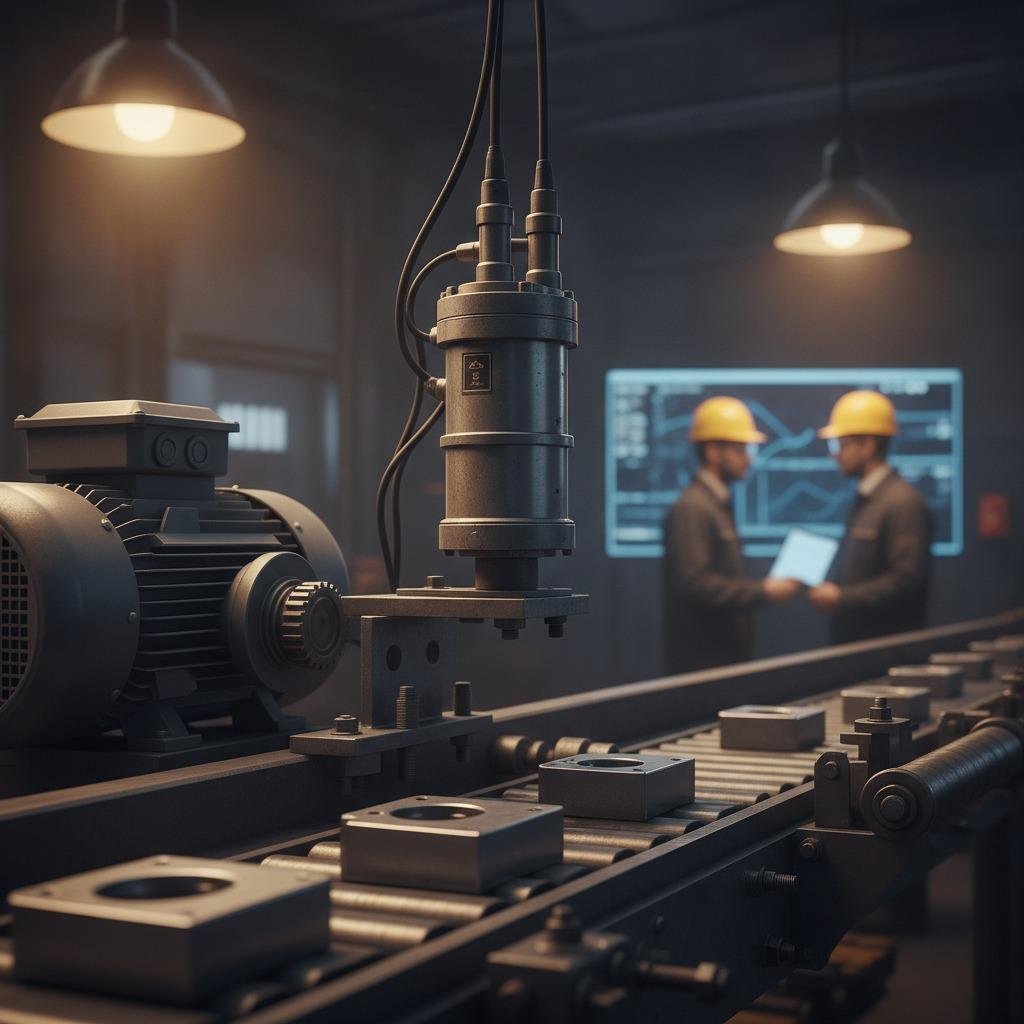
Why measurement drift turns into a production problem
When engineers and sourcing teams evaluate self-calibration capability, they are usually trying to solve a very familiar headache: instruments that slowly drift, alarms that lose trust, and maintenance work that arrives at exactly the wrong time. In a controlled lab, drift is an inconvenience. On a production line, in a field installation, or inside equipment that runs for long stretches, it becomes a quality risk, a downtime risk, and sometimes a safety risk.
The decision is not really about whether self-calibration sounds clever. It is about whether the device can keep measurements usable when real conditions get in the way: heat cycling, electrical noise, mechanical shock, moisture, and the sort of day-to-day abuse that rarely makes it into a sales brochure. That is why buyers should look past the headline feature and ask what kind of correction the device actually performs, how often it runs, and what it still cannot do.
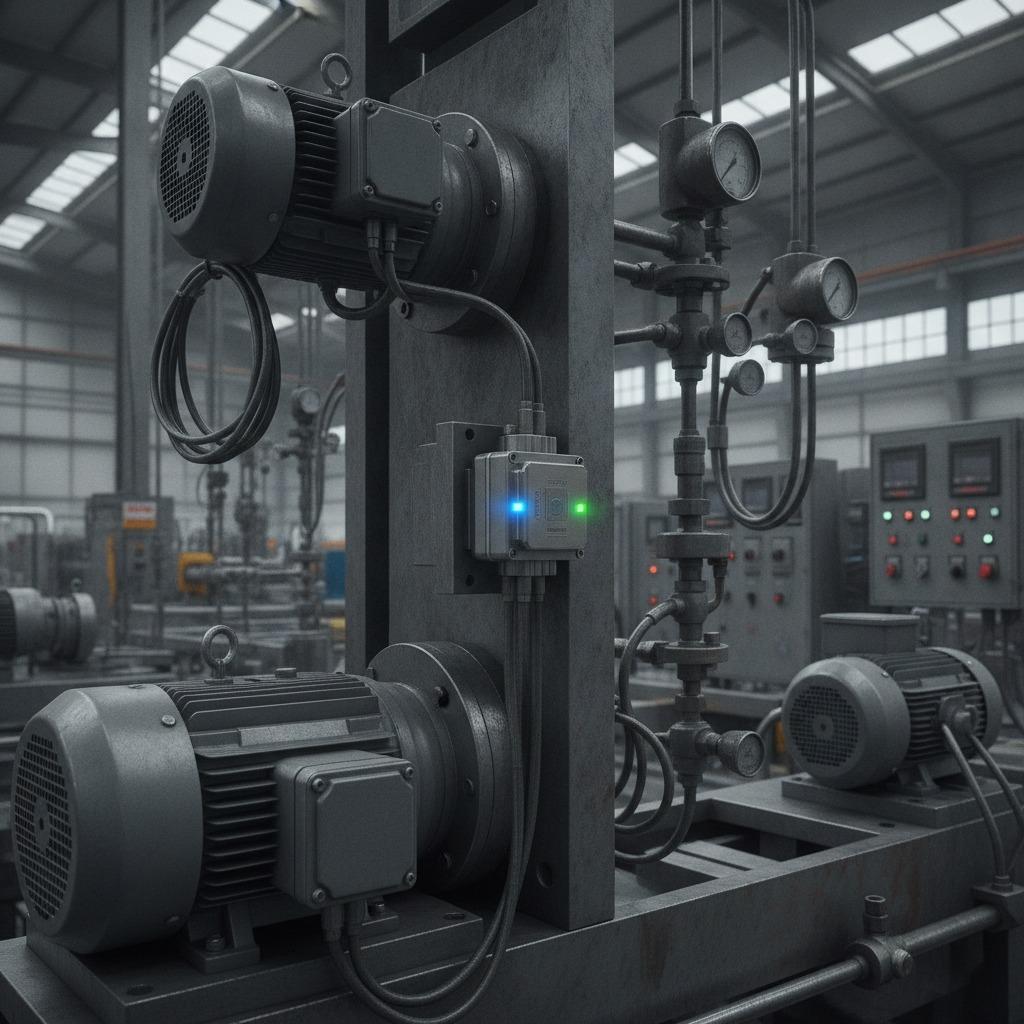
What self-calibration capability actually changes
At a practical level, self-calibration capability helps an instrument check itself against an internal reference or built-in algorithm and compensate for small shifts before they affect output. In some devices, that means automatic zero correction. In others, it means continuous adjustment based on known internal behavior, or periodic checks that reduce the need for manual intervention.
The benefit is straightforward: less drift, fewer manual recalibration stops, and more stable readings between scheduled maintenance intervals. That can be valuable in process monitoring, environmental sensing, machine control, and mobile equipment where pulling a device out of service is expensive or awkward. Still, buyers should keep one careful distinction in mind. Self-calibration is not the same thing as external, traceable calibration. If the application requires formal compliance, certification, or audit-ready documentation, the internal function may reduce maintenance but not replace the required verification steps.
Where it helps most
Self-adjusting measurement is especially useful where conditions are not gentle. A device installed near motors, drives, heaters, pumps, or outdoor enclosures sees more stress than a bench-top instrument. In those cases, the real question is whether the unit can keep its accuracy stable without constant attention from technicians.
Selection criteria that matter more than the brochure language
Not every device with self-calibration capability behaves the same way, and the details matter. A sourcing manager may see the feature listed, but the engineering team still needs to know how it works under load. The best selection process focuses on the failure modes you are trying to avoid.
Temperature-compensated sensing
Temperature changes are one of the most common causes of reading drift. Temperature-compensated sensing helps the device correct for expected thermal effects, which is important in equipment that starts cold, heats up during operation, or sits in an environment with broad daily swings. This is not magic; the compensation range is finite, and extreme conditions can still push the system outside its comfort zone. But for many industrial applications, it is a meaningful layer of stability.
Vibration-resistant design
If the device lives on moving equipment, conveyors, vehicles, or machinery with constant mechanical vibration, a vibration-resistant design is more than a nice-to-have. Mechanical stress can loosen connections, affect internal components, and create intermittent faults that are difficult to diagnose. A unit that combines structural robustness with self-calibration capability often performs better in the long run than a more delicate instrument that looks precise on paper.
Electromagnetic compatibility (EMC)
Industrial sites are noisy electrically. Drives, welders, switching devices, and heavy motors can all interfere with low-level signals. Good electromagnetic compatibility (EMC) helps the device remain stable when the surrounding equipment is not. Buyers sometimes overlook this because the effect is invisible until readings start jumping around. If the sensor or instrument is going into a plant with dense power electronics, EMC should be treated as part of the core specification, not a footnote.
Harsh weather adaptation
Outdoor equipment faces moisture, dust, ultraviolet exposure, and temperature swings that indoor devices never see. Harsh weather adaptation matters for remote monitoring, utilities, agricultural machinery, and exposed industrial infrastructure. A unit with strong sealing, suitable materials, and sensible enclosure design is more likely to keep its calibration stable over time. That said, weather resistance alone does not guarantee accuracy; it simply protects the measurement system from one of the main reasons accuracy degrades.
Common mistakes buyers make
One common mistake is assuming self-calibration capability removes the need for maintenance planning. It usually reduces the burden, but it does not eliminate inspection, validation, or replacement schedules. Another mistake is choosing a device based only on initial precision, while ignoring how that precision changes under temperature, vibration, or electrical stress.
It is also easy to confuse internal correction with universal reliability. A unit might perform well in a stable cabinet but struggle on a machine frame or in an exposed installation. For that reason, asking where the device will actually be mounted is often more useful than asking for the highest possible nominal accuracy. Real operating conditions have a habit of correcting optimism.
Practical questions to ask suppliers
Before placing an order, ask how the calibration routine is triggered, what conditions it depends on, and whether the correction is continuous or periodic. Ask what happens if the self-check detects an error. Does the device flag the problem clearly, hold the last valid value, or continue outputting data that may no longer be trustworthy?
You should also ask whether the product has been designed with temperature-compensated sensing, vibration-resistant design, and EMC protections appropriate for the intended environment. If the installation is outdoor or exposed, confirm the level of harsh weather adaptation, including enclosure considerations and connector protection. These are the details that separate a usable industrial device from one that simply sounds advanced.
FAQ: quick answers for engineering and sourcing teams
Does self-calibration replace external calibration?
No. It can reduce drift and maintenance frequency, but regulated or audit-sensitive applications may still require external calibration and documentation.
Is self-calibration useful in every application?
Not always. In a stable, controlled environment with easy access for maintenance, the benefit may be modest. The feature becomes more valuable as access gets harder and conditions get harsher.
What is the biggest hidden risk?
Assuming the device will keep working well in all environments just because it self-corrects. Environmental stresses still matter, and they often matter more than the correction algorithm itself.
A better next step for buyers
If you are sourcing a sensor, controller, or measurement device with self-calibration capability, start with the failure scenario instead of the marketing claim. Decide whether your main problem is drift, maintenance access, vibration, electrical noise, or weather exposure. Then compare devices on how they handle those conditions in practice. The right product is usually the one that stays stable in your actual operating environment, not the one with the longest feature list.
For teams that need a reliable shortlist, the next step is to map the installation conditions, define the acceptable maintenance interval, and ask suppliers to explain exactly how their calibration and compensation functions behave over time. That conversation tends to reveal more than a catalog page ever will.