




sensor fusion
Home
sensor fusion

EXPLORE
Millimeter Wave Radar Solutions
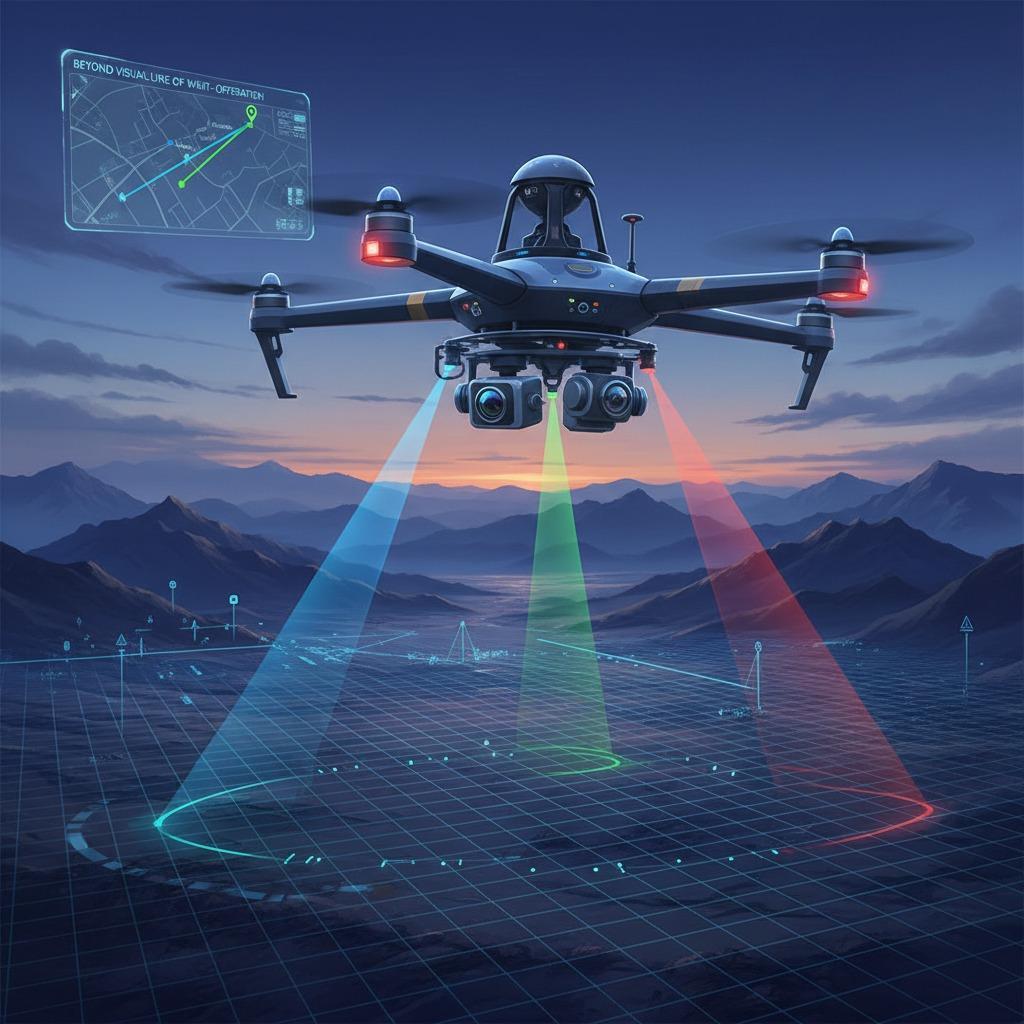
1. Introduction to BVLOS 2. Core Problems of Traditional Operations 3. Real-Time Processing for Safe BVLOS 4. Sensor Fusion and Payload Integration 5. Autonomous Flight Empowerment 6. Embracing the Future of BVLOS
 Ningbo Linpowave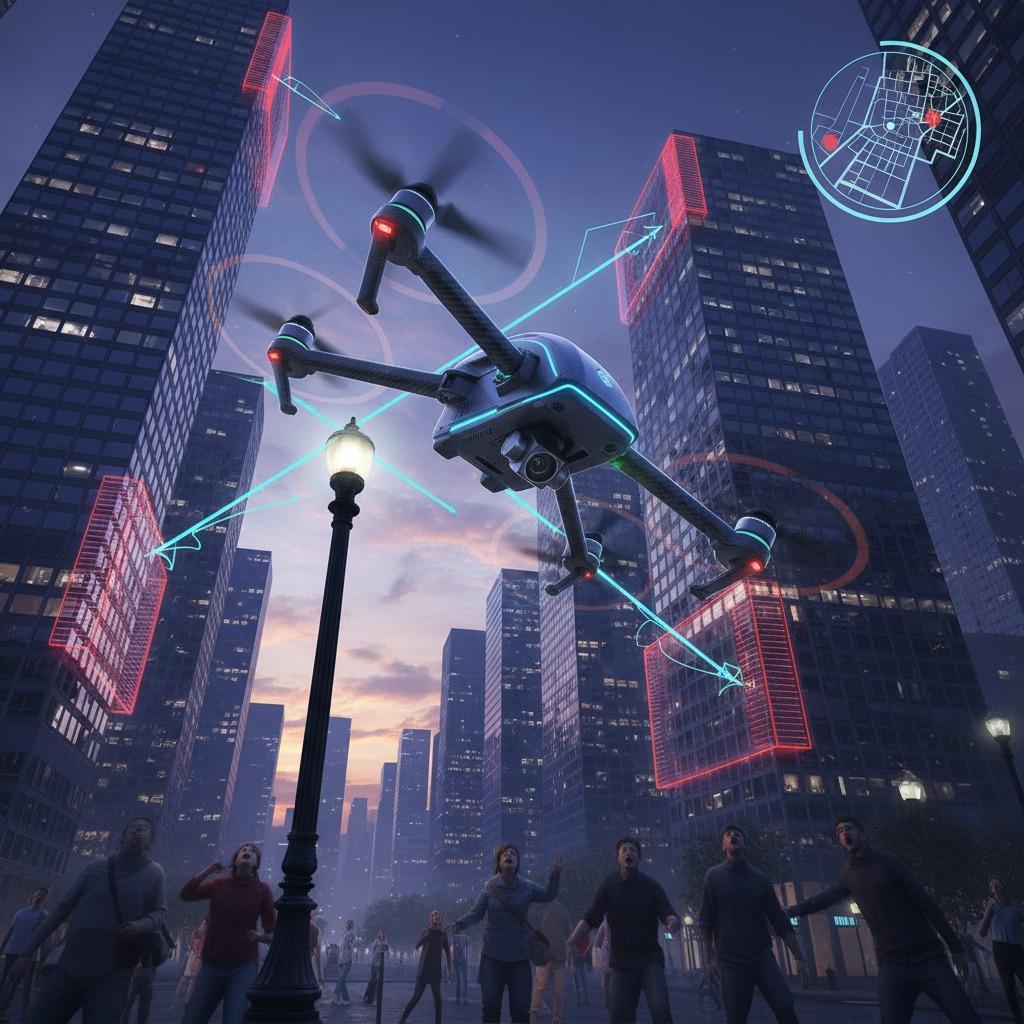
1. Safe flight 2. Real-time navigation 3. Autonomous flight control 4. SLAM and sensor fusion
Ningbo Linpowave
Explore radar-first, camera-first, and fusion-first ADAS architectures. Learn how radar redundancy and 4D imaging radar enhance perception stability, ROI, and mass-production scalability, helping OEMs achieve cost-efficient and safe ADAS systems.
Ningbo Linpowave
Even though sensing projects meet specifications, why do they fail after deployment? Common sensor selection errors and practical sensing difficulties are discussed in this article.
Ningbo Linpowave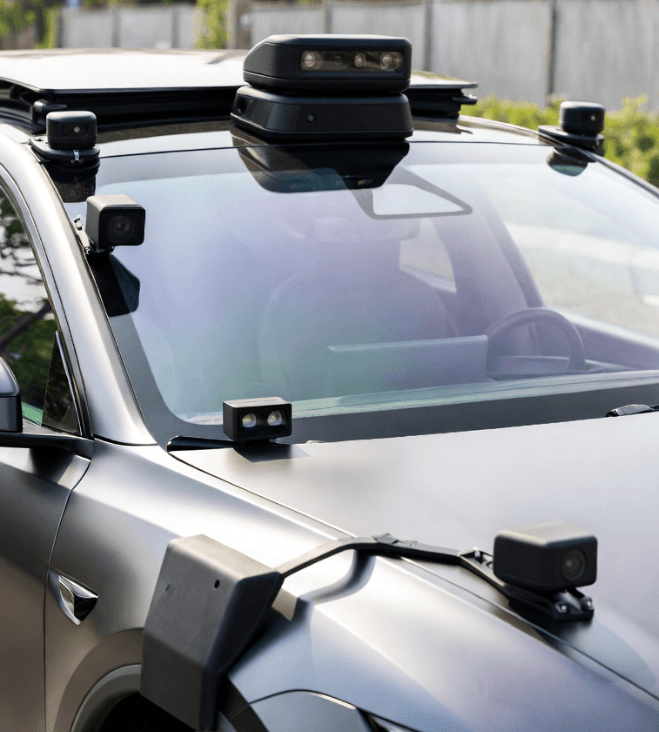
Discover how mmWave radar improves multi-sensor fusion systems by offering reliable detection in low light, fog, and rain—conditions where LiDAR and cameras falter.
Ningbo Linpowave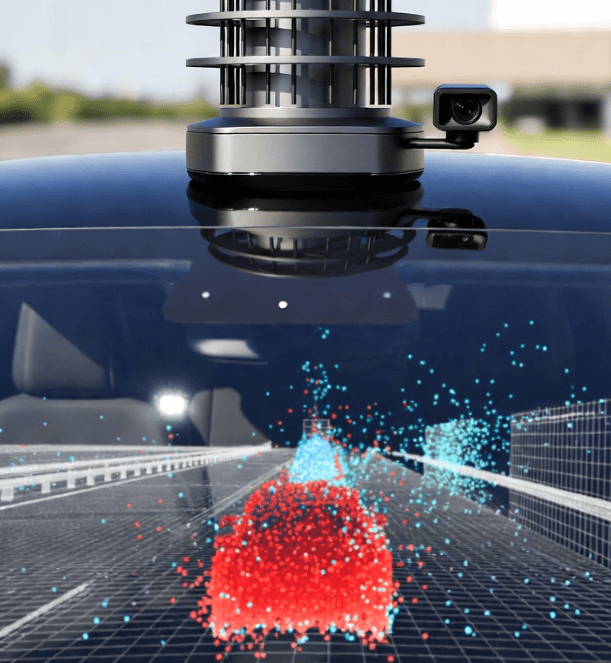
An in-depth examination of how 4D mmWave radar improves autonomous driving perception, including Linpowave's product applications, multi-sensor fusion trends, and point cloud enhancements.
Ningbo Linpowave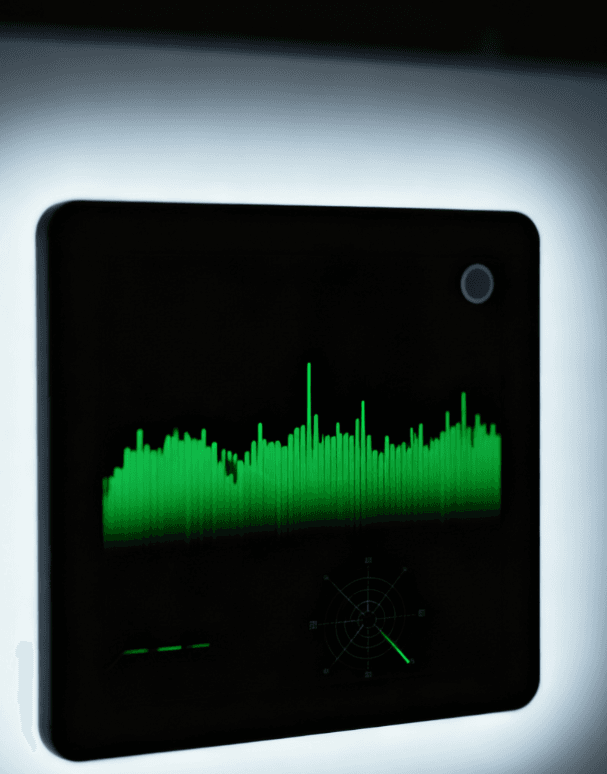
This guide explains how millimeter wave (mmWave) radar improves smart home presence detection. Learn about micro-motion sensing, false positive and negative reduction, optimization strategies, real-world test results, and FAQs for practical deployment.
Ningbo Linpowave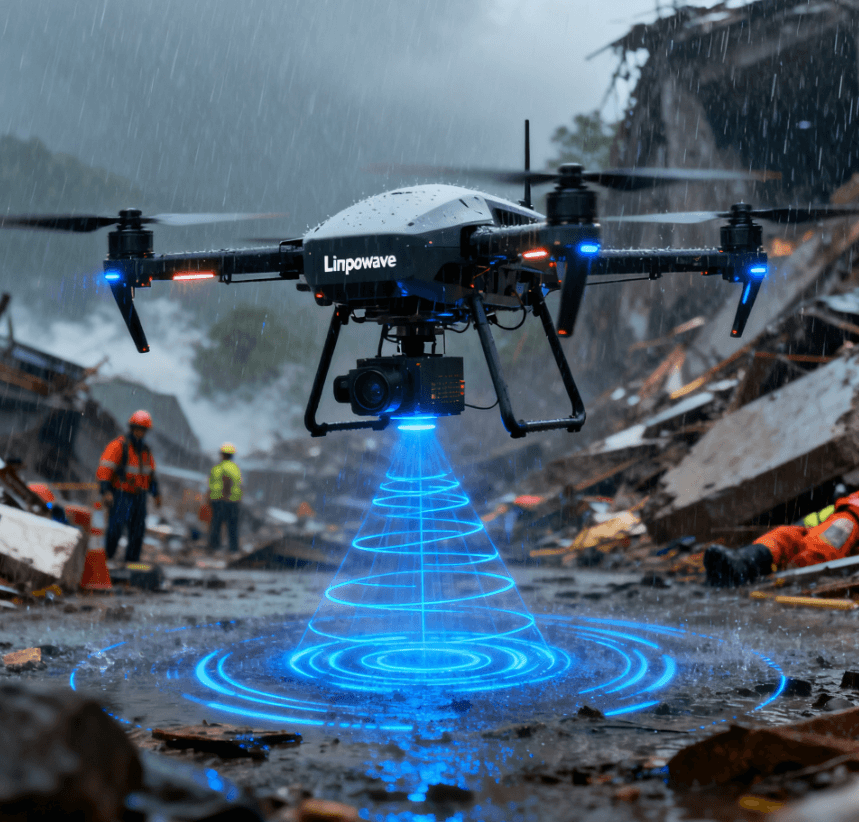
The reliability of AI drones—especially in crucial DFR (Drone as First Responder) missions—is critically hampered by weather and traditional sensors. Linpowave's 4D mmWave Radar eliminates this problem. By adding precise elevation (height) data to the perception system, this core technology achieves all-weather autonomy and removes the "vertical blind spot." It ensures centimeter-level precision for safe autonomous flight and seamless sensor fusion in all environments, day or night.
Ningbo Linpowave
Discover how mmWave radar enables humanoid robots to sense, understand, and interact safely with humans — powered by Linpowave’s 60 GHz and 77 GHz radar technology.
Ningbo Linpowave
Firmware updates are the hidden engine behind modern mmWave radar reliability—improving calibration, interference management, and long-term stability across industries.
Ningbo Linpowave
LiDAR offers high precision but high cost, while mmWave radar is low-cost and all-weather. This article explores their applications and fusion strategies in robotics navigation.
Ningbo Linpowave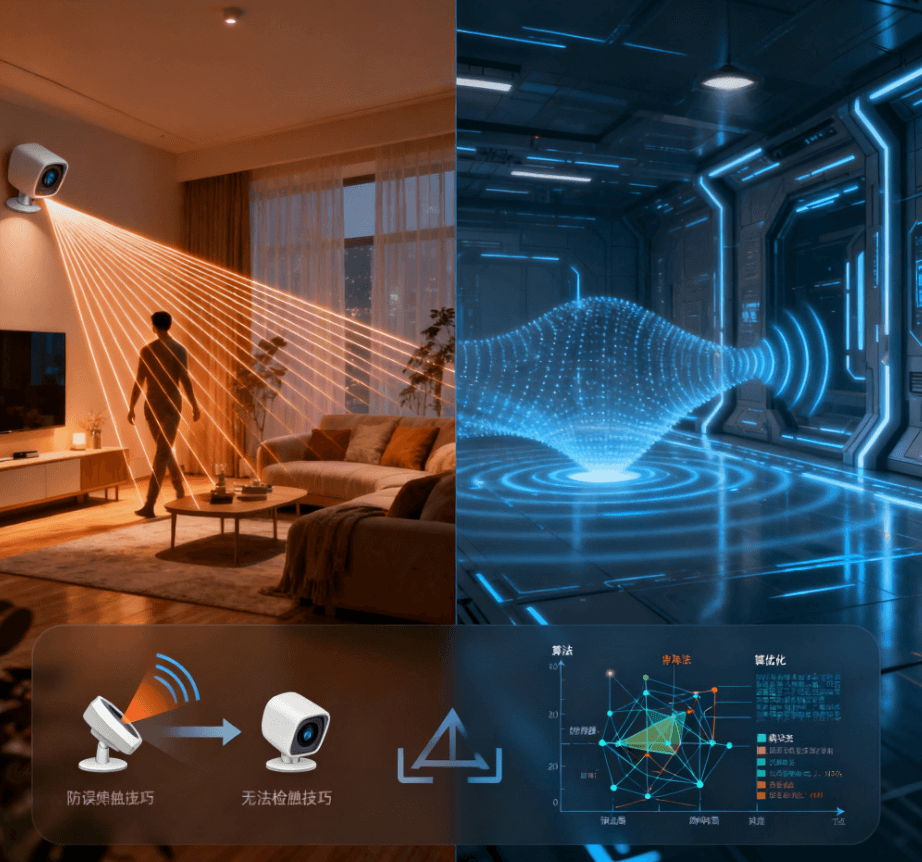
PIR sensors are simple and affordable, but limited to motion detection. mmWave radar offers advanced presence detection, even picking up still breathing. This article compares both, explains why false triggers occur, and provides practical guidance to improve reliability in real-world smart home and building scenarios.
Ningbo Linpowave